A reflection on the internet's impact on patience and learning. It highlights how instant answers have reshaped our experiences, often sacrificing depth for speed in knowledge acquisition.Read Post at OpenChannels.fm
Planet FAIR
February 24, 2026
February 23, 2026
The Repository
WP Accessibility Day Is Crowdfunding a Booth at WordCamp Europe to Close the EAA Knowledge Gap
WP Accessibility Day, the nonprofit behind the annual 24-hour virtual accessibility conference, has launched a crowdfunding campaign to fund a large, highly visible booth at WordCamp Europe 2026 — and it’s asking the WordPress community to help make it happen. The campaign has raised $2,591 of its $30,000 goal at time of writing. The money would go toward securing a prominent Editor-level…
Read Post at The RepositoryFebruary 21, 2026
Gutenberg Times
Interactivity API, WordPress 7.0 Beta and Telex updates — Weekend Edition 358
Greetings from snow-covered Munich — or at least it was when we left Friday for Salzburg, Austria, with a one-hour delay after our locomotive engineer got caught in the city’s snow-induced chaos.
Have a fabulous weekend!
Yours, 
Birgit
Developing Gutenberg and WordPress
This week, WordPress 7.0 Beta 1 is ready for your testing on a staging or local site, please, not your live site. You can jump in via the WordPress Beta Tester plugin, a direct zip download, WP-CLI, or instantly through WordPress Playground in your browser.
The most important feature coming to WordPress 7.0 is real-time collaboration, when more than one person can edit a post or page. Even for a single-person blogger this might be helpful when the proofreading buddy and the photographer can also be involved in editing different parts of a post.
The final release is scheduled for April 9, 2026. Bugs go to the Alpha/Beta support forums or Trac — your testing genuinely shapes what ships. The release post also has an overview of the other features coming to WordPress 7.0, there are quite a lot.
Gutenberg 22.6 RC1 is also available for testing. Once released it introduces a new Icon block, lightbox support for the Gallery block (a personal favorite of mine), and renames the Verse block to Poetry. Next to improvements to the Navigation overlay and block visibility controls, it also features a new approach to revisions with visual change tracking and block awareness. The final release is planned for February 25, 2026.
 The latest episode is Gutenberg Changelog #126 – Gutenberg Releases 22.3, 22.4, 22.5 and WordPress 7.0 with special guest Carolina Nymark, author at fullsiteediting.com and long time contributor.

Plugins, Themes, and Tools for #nocode site builders and owners
Content for AI is a hot topic for news sites, especially since they rely on those ad views and sponsored posts, and AI is pulling snippets from their content. It’s a tough situation, and many sites are working hard to keep AI bots from crawling their pages. But here’s the thing: AI really loves quality, long-form content. If your site serves up unique, quality stuff for humans, then it’s also going to catch the attention of AI systems looking to help users with their questions.
If your site fits the bill, Maddy Osman has put together 9 Steps to Prepare Your WordPress Site for AI Search Engines as a practical guide for the era of ChatGPT and Google’s AI Mode. The good news: WordPress already has most of what AI systems need. You’ll learn to write answer-first content, use structured blocks, add schema markup, and manage your robots.txt — small, actionable tweaks that help your site surface in both traditional and AI-generated search results.
Jamie Marsland built a plugin for block theme to manage beautiful sticky header variations. He demos it in the video This Sticky Header Trick Makes WordPress Sites Look Incredible! If you are interested in the free plugin you get it on the website.
Building Blocks and Tools for the Block editor.
Carolina Nymark published two companion lessons on her Full Site Editing resource site. The Block Bindings API guide walks you through connecting dynamic data—post meta, custom sources, and more—to core blocks like paragraphs, images, and buttons, potentially saving you from building custom blocks altogether. In her Block Hooks API lesson, she shows you how plugins can automatically insert blocks into templates and patterns using PHP filters, with practical examples including WooCommerce and context-aware placement.
In the latest article on the WordPress Developer, I show you exactly How to add custom entries to the editor Preview dropdown. Using the PluginPreviewMenuItem component from @wordpress/editor, you can extend the Preview menu with your own options — the tutorial walks you through building a “Social Card Preview” to show how to add an entry and serve up a modal for content.
Paulo Carvajal dives deep into Building Dynamic Lists and Collections with data-wp-each on WP Block Editor. The data-wp-each directive from the Interactivity API lets you build reactive lists — product catalogues, task lists, feeds — that update automatically when state changes, no manual DOM manipulation needed. You’ll learn how to coordinate PHP server-side rendering with JavaScript-derived state and implement advanced patterns like filtering, sorting, and pagination following WordPress best practices.
Ryan Welcher gave a talk at WordCamp Sofia titled From Static to Dynamic: Mastering the Interactivity APIn the Interactivity API. With the arrival of the Interactivity API, WordPress offers a native, declarative way to add client-side behavior to blocks using directives like data-wp-on–click, data-wp-bind, and data-wp-context. Developers can define reactive behavior, state management, and side effects—all while staying in the WordPress stack. The talk’s recording just appeared on WordPressTV. It’s a well-rounded introduction to the Interactivity API with real-life examples.
AI and WordPress
Semiha Kocer shares the latest Telex updates from WordPress.com’s AI-powered block creation tool, launched last August. The two headline features are
- upload reference images — a Figma mockup, a screenshot, or even a napkin sketch — alongside your prompt to guide complex layouts.
- download your block, edit it in your favorite code editor, and bring it back into Telex seamlessly.
This week, Jonathan Bossenger explored the WordPress Studio MCP server, which connects WordPress Studio with AI tools via MCP. He set up MCP in VS Code and then used an AI agent to generate a custom block theme for a small coffee shop selling beans and accessories.
Ray Morey reported on WordPress.com’s launches of a Built-In AI Assistant That Works in Editor, Media Library, and Notes. She notes that in the block editor, users can make plain-language requests — adjust layouts, swap color palettes, rewrite copy — and see changes render in real time. Notes users can tag “@ai” for fact-checks or edits, and the media library gets image generation and editing too. Morey adds that the feature, powered by Google’s Nano Banana models, is available on Business and Commerce plans.

Questions? Suggestions? Ideas?
Don’t hesitate to send them via email or
send me a message on WordPress Slack or Twitter @bph.
For questions to be answered on the Gutenberg Changelog,
send them to changelog@gutenbergtimes.com
Read Post at Gutenberg Times
February 20, 2026
WordPress.org blog
WordPress 7.0 Beta 1
WordPress 7.0 Beta 1 is ready for download and testing! This beta release is intended for testing and development only. Please do not install, run, or test this version of WordPress on production or mission-critical websites. Instead, use a test environment or local site to explore the new features.
How to Test WordPress 7.0 Beta 1
You can test WordPress 7.0 Beta 1 in any of the following ways:
| Plugin | Install and activate the WordPress Beta Tester plugin on a WordPress install. (Select the “Bleeding edge” channel and “Beta/RC Only” stream.) |
| Direct Download | Download the Beta 1 version (zip) and install it on a WordPress website. |
| Command Line | Use this WP-CLI command: wp core update --version=7.0-beta1 |
| WordPress Playground | Use a 7.0 Beta 1 WordPress Playground instance to test the software directly in your browser. No setup required – just click and go! |
The scheduled final release date for WordPress 7.0 is April 9, 2026. The full release schedule can be found here. Your help testing Beta and RC versions is vital to making this release as stable and powerful as possible. Thank you to everyone who contributes by testing!
How important is your testing?
Testing for issues is a critical part of developing any software, and it’s a meaningful way for anyone to contribute – whether or not you have experience. Details on what to test in WordPress 7.0 are available here.
If you encounter an issue, please share it in the Alpha/Beta area of the support forums. If you are comfortable submitting a reproducible bug report, you can do so via WordPress Trac. You can also check your issue against this list of known bugs.
Curious about testing releases in general and how to get started? Follow along with the testing initiatives in Make Core and join the #core-test channel on Making WordPress Slack. WordPress 7.0 will include new features that were previously only available in the Gutenberg plugin. Learn more about Gutenberg updates since WordPress 6.9 in the What’s New in Gutenberg posts for versions 22.0, 22.1, 22.2, 22.3, 22.4, 22.5 & 22.6.
What’s new in WordPress 7.0?
WordPress 7.0 boasts numerous upgrades in the editing and admin experience, delivering enhanced real time collaboration, refined customizability, new dashboard styles, and an expanded developer toolbox for people who create, design, and build with WordPress every day.
Working as a team just got easier with the ability for multiple users to edit together in real time, while visual revisions allow a visual comparison between page versions, adding agility to the creation and review process. Working with patterns has been simplified, making layout updates and content changes more intuitive, while view transitions smoothly move you from screen to screen as you click.
New and improved blocks and design features in 7.0 make sites more customizable, with video embed backgrounds in the Cover block, a responsive-enabled Grid block, and new Icons, Breadcrumbs and Heading blocks. An updated Navigation block makes menu changes easier and more reliable in fewer steps. Responsive, mobile-friendly controls in 7.0 allow you to hide or reveal blocks based on screen size, while client-side media handling speeds up media processing. The Font Library screen for managing installed fonts is now enabled for all themes, so site editors are always able to browse, install, and organize fonts.
For developers, it’s now easier to build modern experiences while staying aligned with Core principles. The new WP AI Client in WordPress 7.0 brings a layer into Core that allows leveraging of AI models from any provider within the WordPress framework. This means plugins and themes can tap into any AI model to expound on its endless options. 7.0 offers even more versatility with the Client Side Abilities API that introduces a standardized way to register and run “abilities” in the browser, supporting richer, more consistent workflows. Additionally, 7.0 introduces PHP-only block registration with auto-generated inspector controls, adding a new dimension to block creation, while Block Bindings updates for pattern overrides expands support to custom dynamic blocks, giving block creators more options.
Needless to say, this release offers a wide range of flexibility to creators, teams and developers, while bringing a visual refresh to the admin experience you know and love with a fresh default style.
Work together in real time
Building on the momentum started in WordPress 6.9, the ability for teams to create and edit together is more refined and robust in 7.0. With this version of WordPress multiple users can edit and collaborate on the same post or page in real time, with data syncing and stabilized notes for smoother teamwork and a more streamlined editing and review process.
- Real Time Collaboration: Teams can now edit posts and pages together live from multiple locations, with offline editing and data syncing enabled, and a new default HTTP polling sync provider with options for plugins or hosts to include websocket support. With this collaborative content creation workflow, teams can brainstorm more effectively and boost productivity. For the beta period, real-time collaboration is opt-in in order to get broader feedback and testing.
- Notes: 7.0 introduces real time syncing of notes that helps facilitate collaboration, a keyboard shortcut for new notes, and a series of quality-focused fixes that bring more stability to the Notes feature.
A Refined Admin Experience
WordPress 7.0 gives the wp-admin experience a boost with a fresh default color scheme, and a cleaner, more modern looking dashboard, while keeping the interface familiar. The upgraded dashboard enhances the editing experience with new visual revision comparisons, and smooth transitioning between screens.
- Visual Revisions: Working with revisions is even better in 7.0 with the added ability to make visual comparisons to revision versions within the editor.
- View transitions: Cross-document view transitions in the dashboard offer visual continuity with seamless movement from screen to screen.
Customizing content with ease
Creators have more flexibility in 7.0 with new tools for content and design, enhanced editing controls, and attention to mobile friendliness.
- Responsive Editing Mode: Block visibility is now more responsive and mobile-friendly, with the ability for blocks to be displayed or hidden based on screen size.
- Pattern Editing and contentOnly interactivity: WordPress 7.0 introduces pattern-level editing modes, a tree view for buttons and list blocks, and the ability to opt out of the default content only mode. The new Spotlight mode helps you isolate content in patterns and notes, while the Isolated Editor mode can be used for editing symbols and reusable pieces like synced patterns, template parts, or navigation.
- Block supports and design tools: 7.0 includes text line indent support, text column support, aspect ratios for wide and full images, dimension width and height support, and dimension presets, tools and controls.
New blocks and design options at your fingertips
7.0 delivers a series of new and improved blocks and block features, a streamlined navigation workflow, and more versatile design options like video embeds as section backgrounds.
- Navigation Block: Navigation workflow is now more intuitive and clear, with improved editing and presentation. 7.0 introduces customizable navigation overlays as template parts, including mobile version overlays that can be hidden or revealed based on custom breakpoint settings.
- Heading Block: Heading levels are now available as block variations, giving more control over page hierarchy and design.
- New blocks: 7.0 makes building pages more diverse with new Breadcrumbs and Icons blocks.
- Cover block embedded videos: Video embeds can now be used as a background in the cover block, opening up opportunities for sleeker and more creative designs.
- The Grid block is now responsive-enabled allowing grid-based layouts to adapt more smoothly across screen sizes.
- The Gallery block now has lightbox support that lets the user click through and view each gallery image.
Developer’s toolbox
Working with WordPress on the backend is now more robust for developers, with new and enhanced API features that support flexibility and lay a foundation for future advancements. The Client Side Abilities API provides a client-side registry for WordPress capabilities that allows you to tap into new and innovative website options. WordPress 7.0 offers even more by introducing the Web Client AI API to Core, enabling access to generative AI models in one central interface.
- Web Client AI API: The new AI client and API acts as a command center for accessing and communicating with generative AI models, with providers remaining external to WordPress Core, and Abilities API integration.
- Abilities and Workflows API: With the new client side abilities package users have access to new and hybrid abilities, filter and search functionality for abilities, and an improved command palette and UI.
- Blocks and patterns created on the server: WordPress 7.0 boasts the ability for PHP-only blocks and patterns to be generated server-side and auto-registered with the Block API.
- DataForm: Introducing a new details layout, new controls (combobox, adaptiveSelect), and updated trigger for panel layout (dedicated edit button). Additionally, the initial iteration for validation is complete: all controls have support, and all layouts display error messages.
- DataViews: DataViews has a new activity layout, and a foundation has been laid to be able to register 3rd party types in future releases.
- CodeMirror update: CodeMirror has been updated to version 5.65.40, aiding more flexible extensibility and library options.
Media processing in the browser
WordPress 7.0 introduces Client-side media processing, leveraging the browser’s capabilities to handle tasks, like image resizing and compression, for smoother image processing. This enables the use of more advanced image formats and compression techniques, and reduces demand on the web server; providing a more efficient media handling process for both new and existing content, and supporting smoother media workflows.
With so many options and enhancements in WordPress 7.0 Beta 1, this is still only the beginning. You can expect future releases to be even better.
Just for you: a Beta 1 haiku:
As sun kisses moon,
Beta 1 ignites in bloom…
Seven-oh lands soon.
Props to @ellatrix, @jeffpaul, @annezazu, @chaion07, @zunaid321, @audrasjb, @mukesh27, @ankit-k-gupta, @oandregal, @westonruter, @karmatosed, @bph for reviewing and collaborating on this post!
Read Post at WordPress.org blogWordCamp Central
Introducing WordCamp Mukono 2026: Sustainable Growth, Building a Lasting WordPress Future
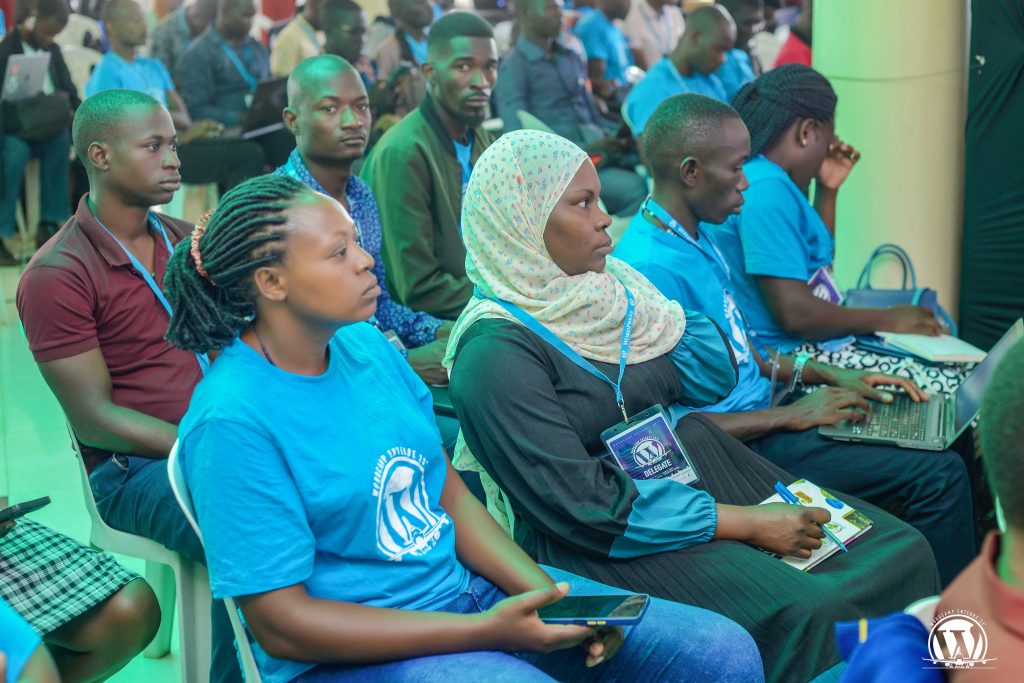
The WordPress community in Uganda is pleased to introduce WordCamp Mukono 2026, scheduled for March 13 & 14, 2026, at Murs Country Resort, Kigunga, in Mukono, Uganda.
Guided by the theme “Sustainable Growth – Building a Lasting WordPress Future,” WordCamp Mukono 2026 will bring together over 300 attendees including WordPress users, contributors, code wranglers, developers, designers, educators, and business owners to explore how sustainable practices can strengthen the WordPress project, local communities, and the broader open-source ecosystem.
A Focus on Sustainability and Long-Term Impact
The 2026 theme reflects a growing emphasis within the WordPress project on sustainability not only in technology, but also in people, communities, and contribution pathways. Sessions and discussions will focus on:
- Sustainable WordPress businesses and client practices
- Long-term community building and leadership development
- Performance, security, and maintainable WordPress solutions
- Inclusive contribution and mentorship in open source
- Content, accessibility, and responsible digital publishing
- AI tools and practices for both individuals and businesses
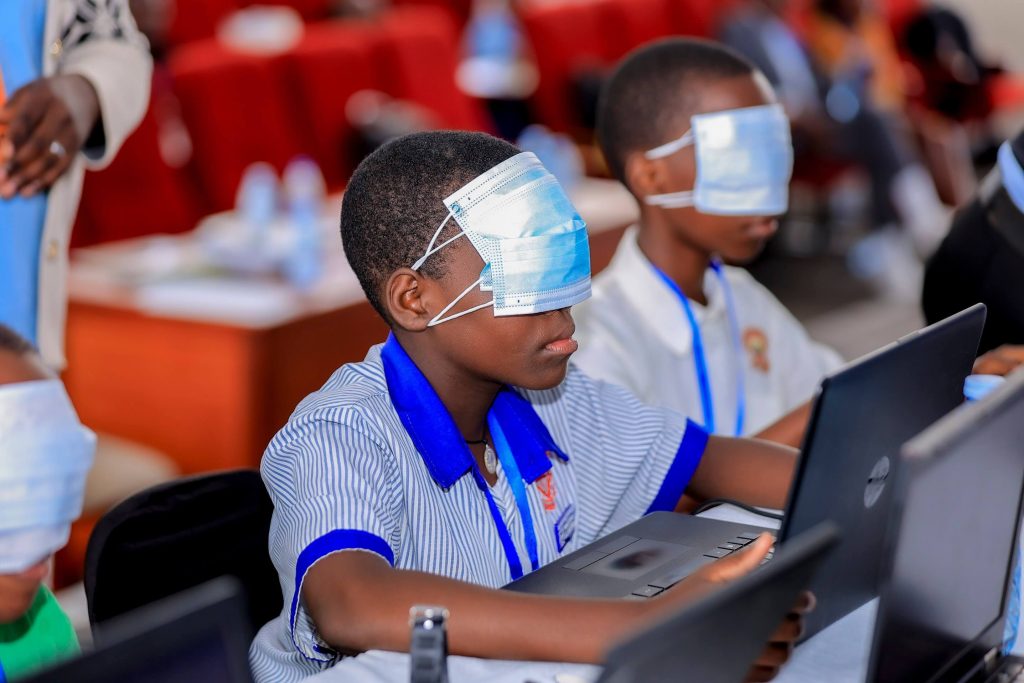
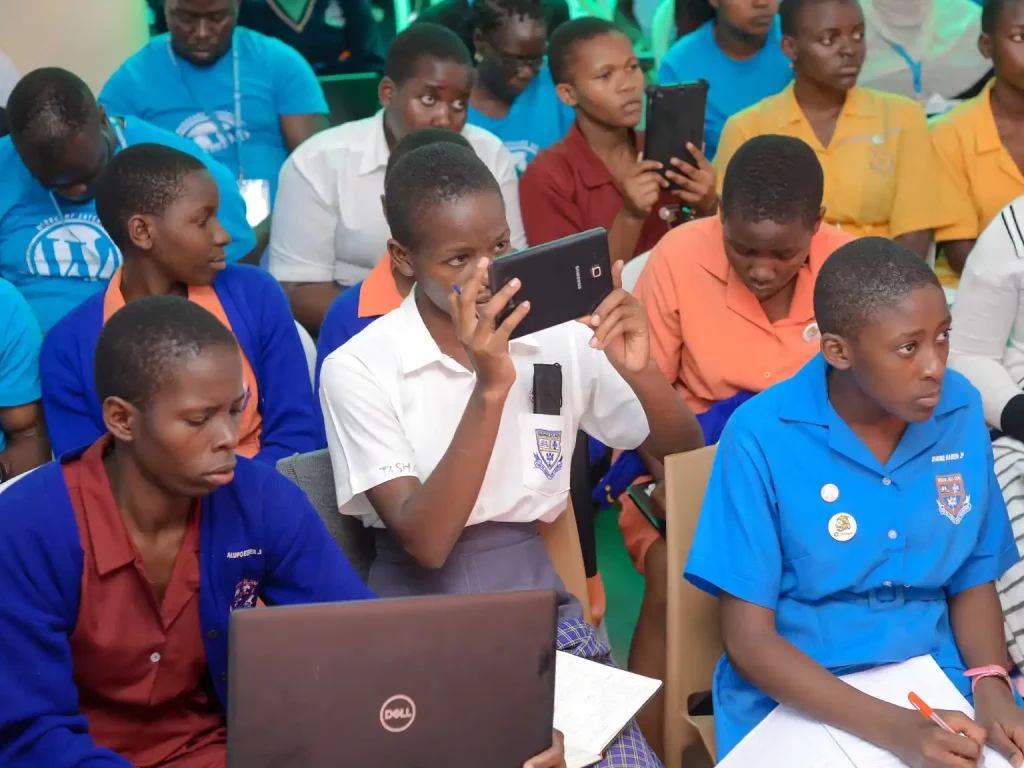
- An Educational track for Students and Educators
The program is designed to support both new and experienced WordPress users, offering practical insights alongside opportunities for deeper engagement with the WordPress project.
This year includes a lot of Community building activities, programs and strategies to support and grow open source communities.
Strengthening the Local and Regional WordPress Community
WordCamp Mukono has become a key gathering point for WordPress users in Mukono, Uganda, and the wider East African region. The 2026 event continues this trajectory by prioritizing local voices, first-time speakers, and contributors who are actively growing WordPress adoption through education, translation, support, and community leadership.
By hosting the event in Mukono, the organizing team reinforces WordPress’s mission to democratize publishing and ensure that open-source opportunities are accessible beyond major urban centers.
WordCamp Mukono 2026 will be hosted at the spacious and prestigious Murs Country Resort in Kigunga, Seeta, Mukono Municipality. The venue offers a variety of amenities and services that make it a beautiful home for WordCamp Mukono.
Accommodation Options at WordCamp Mukono
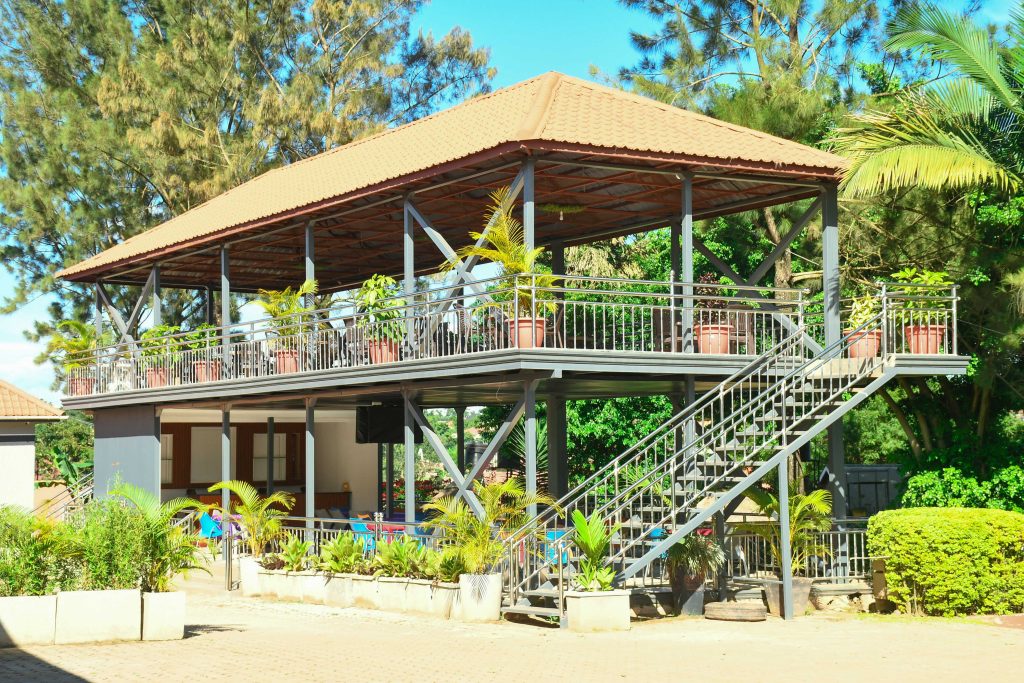
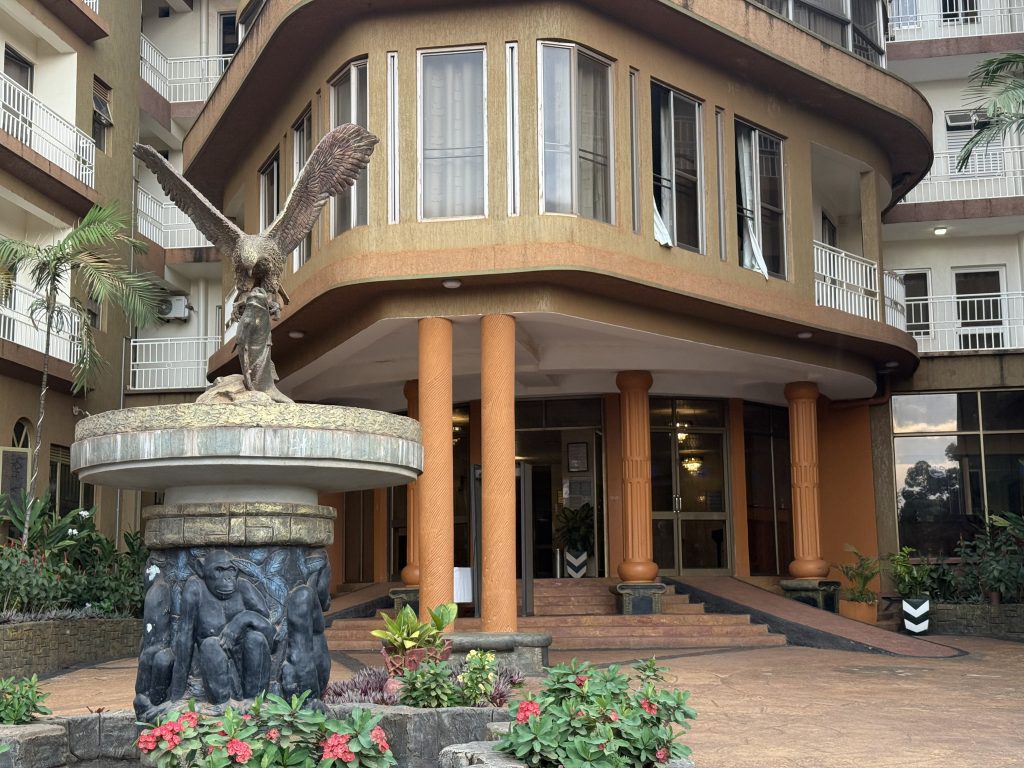
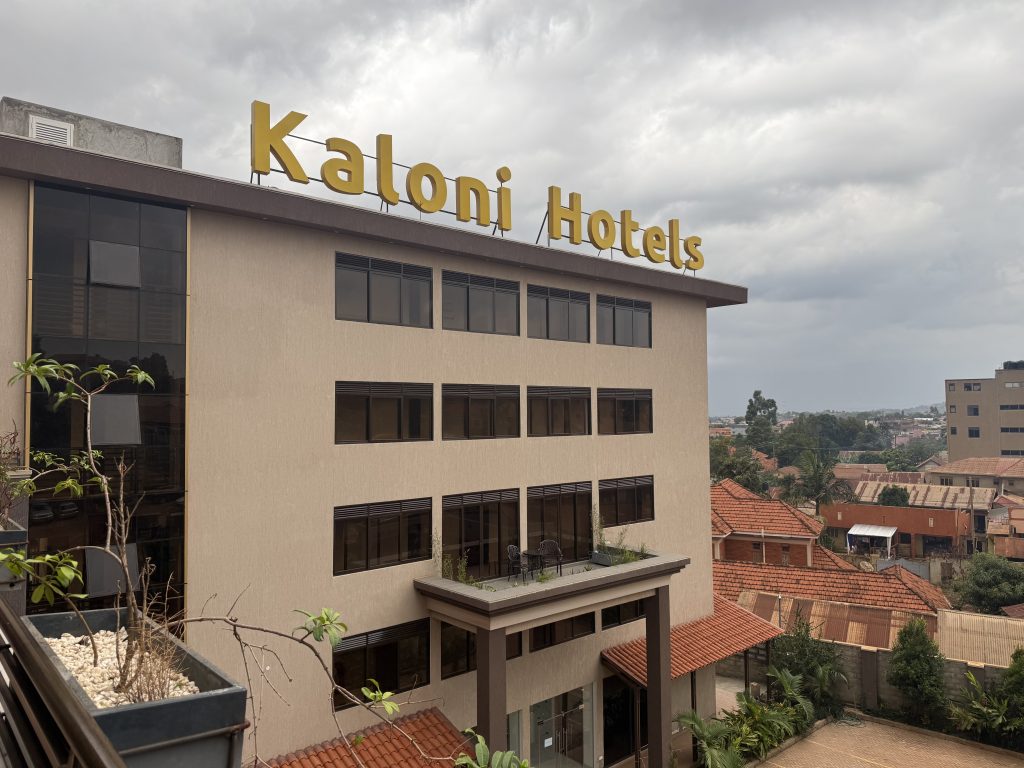
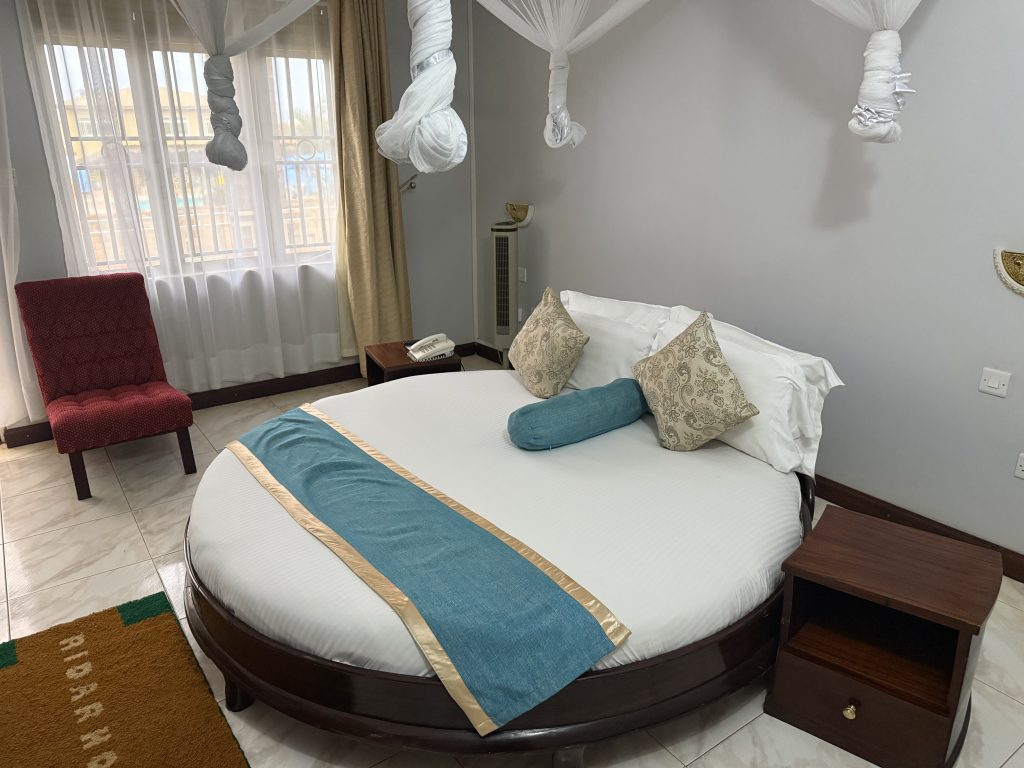
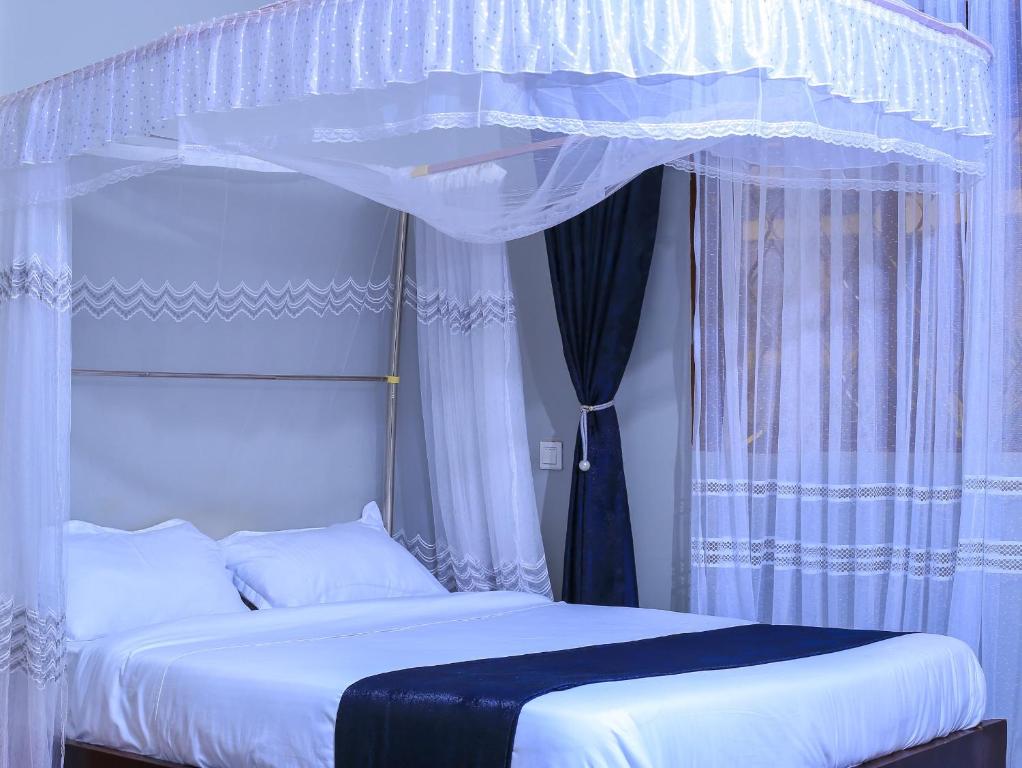
WordCamp Mukono has spoken to several hotels and Accommodation options around the Host venue including the host venue itself and Accommodations have been made available for all attendees.
Details have been shared on the website. Feel free to secure your pick as you see fit.
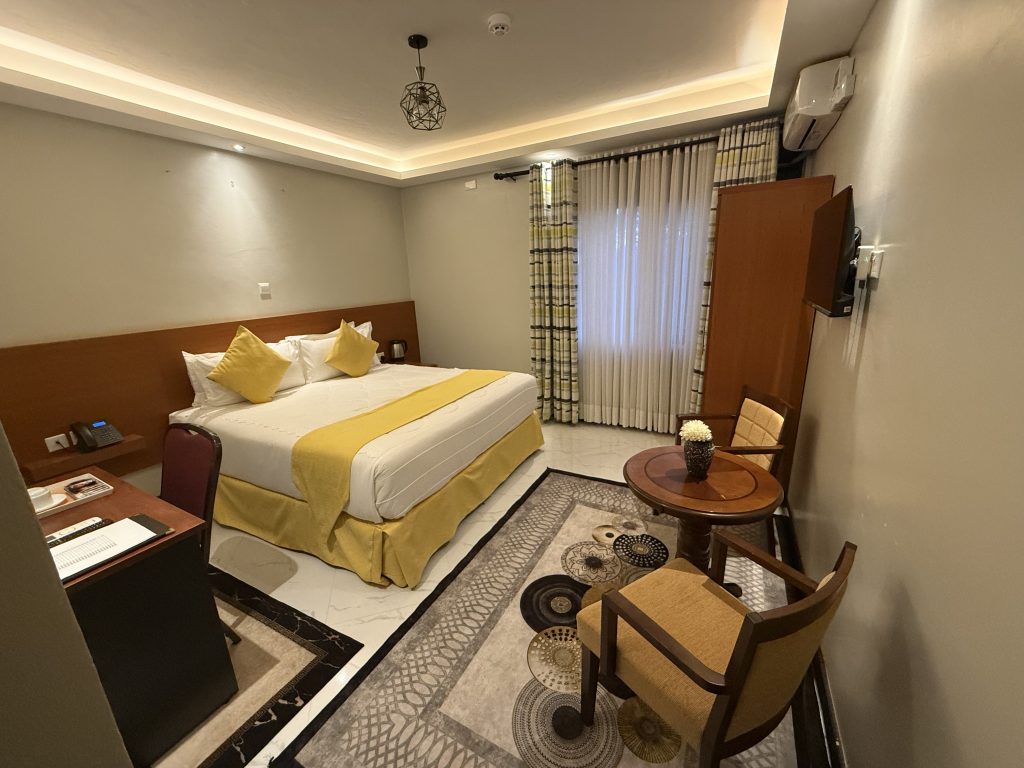
An Official, Community-Led WordPress Event
WordCamp Mukono 2026 is an official WordPress event, organized by a dedicated team of local volunteers and run as a non-profit. Like all WordCamps, the event is built on the principles of openness, inclusivity, and collaboration.
Over two days, attendees will participate in talks, workshops, and networking opportunities designed to foster meaningful connections and long-term contributions to WordPress.
Get Involved

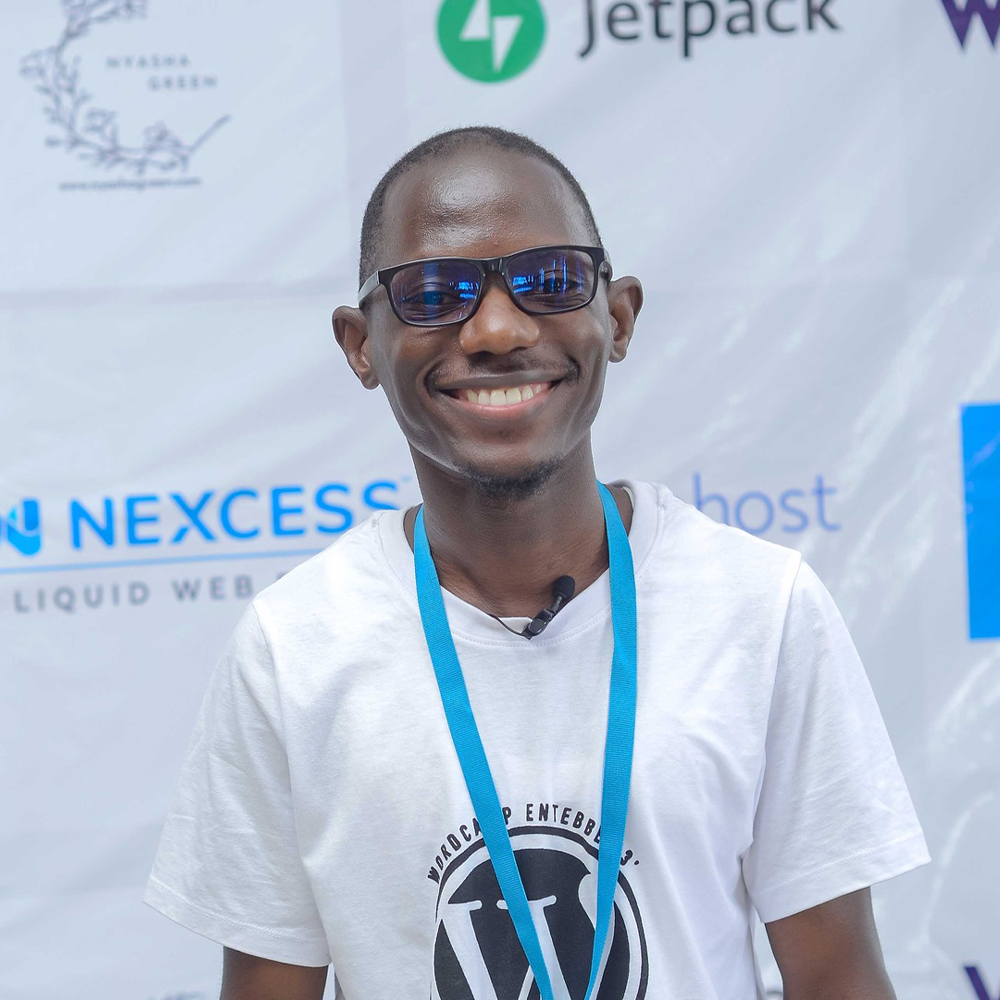
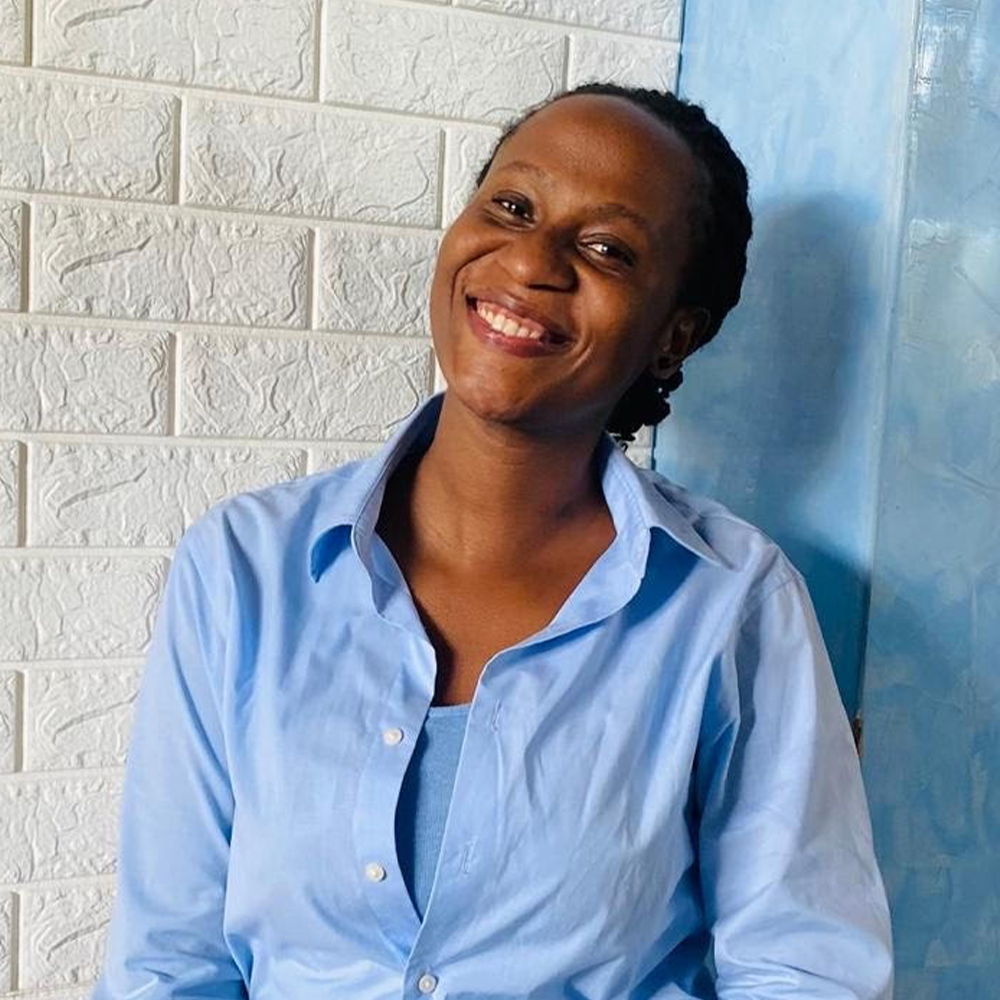
Calls for speakers are open to any one with a brilliant idea they would want to share, and the sponsor call is also open. An event of this magnitude can only be made possible by the many generous individuals who contribute to open source and community initiatives. The volunteer call is now closed, and the event is already taking shape.
Ticket Sales are now open for this great experience and are the main talk on the streets. Community members from Uganda, the East African region, and beyond are encouraged to take part and contribute to an event focused on building a sustainable future for WordPress. Have no excuse! Book your space now!
Community partners are also allowed to sponsor people to get this great experience by buying a ticket for them. Sponsoring them fully or partially. Contact the Team for details
More details can be found on the official WordCamp Mukono website and on WordCamp.org as they become available. Kindly also check the Blog Section for live updates on the event.
Read Post at WordCamp CentralFebruary 18, 2026
WPTavern
#205 – Matt Cromwell on Redefining WordPress Product Growth in a Crowded Ecosystem
Transcript
[00:00:19] Nathan Wrigley: Welcome to the Jukebox podcast from WP Tavern. My name is Nathan Wrigley.
Jukebox is a podcast which is dedicated to all things WordPress. The people, the events, the plugins, the blocks, the themes, and in this case, redefining WordPress product growth in a crowded ecosystem.
If you’d like to subscribe to the podcast, you can do that by searching for WP Tavern in your podcast player of choice, or by going to wptavern.com/feed/podcast, and you can copy that URL into most podcast players.
If you have a topic that you’d like us to feature on the podcast, I’m keen to hear from you and hopefully get you, or your idea, featured on the show. Head to wptavern.com/contact/jukebox, and use the form there.
So on the podcast today we have Matt Cromwell. Matt has been an influential figure in the WordPress ecosystem for many years. He co-founded GiveWP, led its growth, and continued his journey as part of the StellarWP leadership after it was acquired.
Recently, Matt has shifted gears, launching something new. It’s called Roots and Fruit, and is an agency dedicated to helping WordPress product businesses thrive. In recent years, WordPress has gone through a period of flux. There’s been shifting stats about WordPress’s market share, tightening budgets, and increasing competition from both within and outside the.org plugin repo. Despite these changes, Matt remains optimistic about the opportunities for product makers, especially as WordPress evolves alongside emerging technologies like AI.
Matt starts off by sharing his background, his experience with GiveWP, and the unique perspective he gained navigating growth, crisis, and the challenges facing plugin developers. We then talk about how the WordPress product space has matured. Why building a plugin, or theme, and hoping users will simply discover it is no longer enough, and how focusing on the customer journey, branding, and marketing is more crucial than ever.
Matt is now positioning himself as a mentor and guide for solo founders and product teams, helping them prioritize growth efforts, refine their product experience, and avoid the scattered approach that many developers fall into. He brings practical insights from years of hand-on experience, and explains why a successful WordPress product business relies on process, diligence, and wise prioritization, not just code and hope.
If you are building digital products in WordPress, and want to learn how to make them stand out in a crowded, competitive ecosystem, this episode is for you.
If you’re interested in finding out more, you can find all of the links in the show notes by heading to wptavern.com/podcast, where you’ll find all the other episodes as well.
And so without further delay, I bring you Matt Cromwell.
I am joined on the podcast by Matt Cromwell. Hello, Matt.
[00:03:22] Matt Cromwell: Hi. Happy to be here.
[00:03:24] Nathan Wrigley: Matt and I have chatted many times. In fact, we were having a nice chat just before we realised that the time was going to get away from us. So we’ve diverted and pressed record. We were getting into AI, but we’re going to park that because that’s a whole different episode. Well, maybe not. Maybe there’ll be bits of that leaking into this episode.
[00:03:39] Matt Cromwell: It’ll come up.
[00:03:39] Nathan Wrigley: I’m sure it will. But as I say, Matt’s been on the podcast before. He has had a significant sort of reshaping of his career in the recent past. And so we’re going to talk a little bit about what the new direction is, and where he’s going to be focusing his efforts in the near to long term.
But Matt, just before we begin, do you want to tell us a little bit about you and what you’ve been doing in the WordPress space these many years?
[00:04:01] Matt Cromwell: Absolutely. Thanks so much. I’m Matt Cromwell. I am was, it’s hard to figure out how to introduce myself anymore. I was co-founder of GiveWP and sold that product in 2021 to Liquid Web and stayed on and came on the leadership team of what became StellarWP, and took all the things I learned from Give and got to apply them across lots of products, in an excellent learning journey.
Recently exited back this last fall, 2025, and went on a journey of discovering in what I want to do, and found that I could not prime myself away from the keyboard enough and decided that now’s the time I get to invest my time and efforts and energy in the WordPress product ecosystem like I always have. So I built a new agency called Roots & Fruit, which I have basically said is your fractional chief growth officer agency. I just launched a couple weeks ago and it’s going well. So that’s what I’m doing. That’s how I say it.
[00:05:02] Nathan Wrigley: Yeah, I love the domain, by the way. The minute I saw that, I think I got where you were going without even having read a word. Roots & Fruit sort of says it all, doesn’t it? It’s the growth to the actual harvesting at the end. And so we will get into that.
Can I just ask you though, we’ll begin this way because we’ve had several years now of flux in the WordPress ecosystem. You have charted the growth of many products in the WordPress space. You’ve been involved in them personally, and you’ve seen the journeys of other founders and what have you.
Do you have the same level of optimism that the Matt Cromwell, let’s say from the year 2020, when everything was going gangbusters, that 35% went to 38%, went to 40%, and on it went. Do you have the same level of optimism? Do you think there still is fruit to be harvested in the WordPress space in 2026?
[00:05:59] Matt Cromwell: Absolutely I do. There’s a lot of caveats in there, I have to say. Being at GiveWP, we had a unique perspective when it came to things like a pandemic. It was like an internal thing where we were afraid of becoming ambulance chasers, okay? Because, especially in the US, when a crisis would come, suddenly our sales would go through the roof. And it’s because when bad things happen, people need to do fundraising. And the worst thing we wanted to do was start capitalising on trauma or things like that.
And so when COVID came along, we were like, woah, this is going to be significant. And it was. It was a very significant thing. But we had been through the motions, so we knew that it was going to have a downside on the tail end of it, sales-wise. And I think a lot of folks understood that conceptually as well. But we had experienced it a lot.
But what a lot of folks found out on the tail side of COVID was that the downside was worse than it was pre COVID. A lot of folks felt that, even GiveWP to some extent and several of the Stellar products were like, oh, we’ve leveled out, we’ve come down off of the COVID high, and actually it feels a little bit worse than it was before. Budgets got tight in terms of businesses and agencies, nonprofits, things like that. There’s lots of circumstances to those things. But over the last year or so, a lot of product companies have started to see things start to slowly climb again.
But in the WordPress space, I think it’s important that everybody also look at our ecosystem in the bigger ecosystem of just the web. On the web there are small to medium to large companies launching all the time with huge amounts of success. Just a couple years ago, nobody knew what Lovable was. Now it’s a billion dollar company. Things like that do happen and they happen regularly. That to me means there is still lots of appetite for the kinds of solutions that we are trying to bring to the world through the web. And we can be part of that solution.
Now, the conversation you and I had a little bit before was more about like, what about WordPress and the threat or the opportunity of AI? I do think the way in which WordPress Core has been tackling AI and trying to bring tooling into WordPress Core is making sure that WordPress itself as a platform has not only a future, but it has a lucrative future. I think the way that they’re going about it is really smart and really intelligent, and it is going to actually build the platform in a way that makes AI understand how to build with WordPress better than anything else out there.
WordPress is the most, one of the most documented, open source projects in the world, and it’s been open source this whole time, and AI loves that kind of stuff. So it just has been able to scrape the WordPress database, the WordPress code, all the WordPress documentation over years and years and years. AI now knows WordPress really, really, really well. So I think there’s lots of opportunity.
[00:09:07] Nathan Wrigley: Yeah, no, it’s really great because you covered a lot of ground there. I should say, dear listener, at this point, maybe go and have a look at Matt’s domain. I mentioned it, but I’ll just read it into the record. So it’s Roots with an S. Roots and fruit singular, .com, rootsandfruit.com. So go and check that out. Maybe pause the podcast if you’re at a screen and.
[00:09:28] Matt Cromwell: Singular and plural.
[00:09:29] Nathan Wrigley: Both. Yeah, you’ve managed to get all the goodness in there. Go and pause the podcast and have a little poke around and you’ll get some intuition as to what Matt is doing over there.
I’m going to sort of sidestep a little bit though, because I want to frame this question slightly differently, and that is to, I’ll frame it like this. I, as a consumer of WordPress things, I’ve spent the last 15 or so years pottering around, having a problem, then going to Google and discovering that there’s typically a WordPress plugin or theme or what have you, for that. And then I go to their website and perhaps there’s two or three websites that I might be juggling and thinking which one is superior for the needs that I have. And then I purchase something, you know, I go and I buy a premium version of something or maybe download the free version to give it a test.
But the point is, I have this really abstracted concept of what it is. I’m buying a commodity. So I buy the finished thing and it comes as a zip file, and I typically don’t interact with a human being. And that’s the interesting bit that I want to get into to begin with, is the human behind all of this, which was you for many years.
And so can we just explore that a little bit? What is the stuff that somebody like you, when you were with GiveWP, but maybe now the clients that you are going to be servicing, what is their day involved with? What do these people do? What are the anxieties they have? What is the stuff that makes up a plugin or theme developer’s life and business?
[00:10:55] Matt Cromwell: Generally speaking, product folks are nerds, love to be behind the screen. And they like this kind of industry, specifically because they don’t have to be the person dealing with the customer as much. That distance that goes between the screen basically, is something that gives them a sense of safety, where they get to focus on the work that they love and they enjoy, without having to deal with the noise of the people.
The exception to that are all the folks that are highly motivated to help with technical support. And I love those people. Those are my people. My focus as a founder was more on the customer support and marketing side of things, so I enjoyed being more of the face of things for our brands over the years.
But the allure there is both being able to have that separation from the noise of the public, but also having a little bit of the security of what might be called mildly passive income. And that’s the big difference between folks who are running an agency and folks who love to run product. Agencies are service oriented folks. They have to be with the customer and the client all the time. You are paying for hours. You’re being paid for the time that you put in, in many ways. With agency service work, there’s ways to get away from just purely time-based charging, but by and large.
In the product space, you’re not being paid for the time you put in. You’re being paid for the product, and for the outcomes that the customer experiences. And that’s what you bought Nathan, when you went and bought a utility or a tool or whatnot. You weren’t looking to hire a person, you were looking for a specific outcome on your website, and you felt that that one product could provide you that outcome. And once you had that outcome, you’re happy.
And that’s exactly why product shops are, in my mind, have to be customer oriented first because all of the success, all of the success of the product, of the marketing, of the business, all starts with whether or not the customer is happy.
[00:13:05] Nathan Wrigley: Yeah. We have this expression in the English language which is, a rising tide carries all boats. And essentially what it means is, when there’s this sort of groundswell of growth, everything touching it grows. And I think we had that in all sorts of ways recently, over the last decade or so.
The mobile phone app ecosystem, that just was taking off and all the developers over there were doing incredibly well. Same with the WordPress space. Just year on year growth. And so there was this notion, which you reference on your website quite a lot, of build it and they will come. And that phrase essentially is, okay, I am one of those people. You said, nerds.
I’m going to build a product, and I have a complete expectation that I am part of that rising tide. I’m one of the boats. I’ll build this thing, I’ll mention it a few times on social media, and this thing that I’ve spent hours and hours doing will take off and I will be able to have some kind of passive income from it.
Now, I don’t know when you started saying that those days were gone, but you are definitely saying those days are gone. Why are those days gone? What happened? What changed to make it so that the rising tide carries all boats analogy, possibly no longer fits?
[00:14:17] Matt Cromwell: It depends on the context. I mean, it fits in several different ways. But when it comes to product in the WordPress space nowadays, we used to depend so much on the wordpress.org plugin, or theme, directory as a primary outlet for discoverability. I want people to find that I exist and that I am a solution for their problems, and this is where you find me.
The plugin directory in particular, when we launched GiveWP, I think there were 30,000 plugins at the time, or approaching 30,000. And now there’s over 60, and they are growing every day more or less. They grow and they shrink. They get rid of plugins too, actually. But that does increase the amount of surface area where you have to break through in order to be found. If you try to be an AI alt text generator right now, good luck. There are three dozen of those that got shipped yesterday. It’s crazy.
But even more so than just the noise and the volume on the plugin directory, it’s also that the consumers that are building their websites, they are not thinking about WordPress as much anymore. They’re building with WordPress, but they kind of don’t care that it’s WordPress. They’re just building a website. They have specific outcomes and they know that there are lots of products out there that can serve their needs, and they don’t care if it’s a SaaS, or a platform, or a plugin, or a theme. They don’t care. They’re just going to look for that outcome and they’re going to plug it into their website in one form or another, if that solution is pluggable.
And that space, the SaaS space in particular, has gotten a lot more crowded and a lot more competitive for being applied directly to the WordPress customer. So we’re not just competing WordPress to WordPress, we’re competing WordPress to the rest of the whole world.
[00:16:18] Nathan Wrigley: Yeah, that’s interesting. So my analogy, when I said a rising tide carries all boats, what I’m imagining 10 years ago is that there was a really nice looking harbor with a few little boats. And the tide came up and these little boats just bobbed along and they all rose up. Whereas now it feels like the harbor is just chockablock. There’s boats cheek by jowl with other boats. They’re slamming into each other. And instead of it being a gentle rise, it’s stormy, clouds. The sea is choppy all over the place, and everything is sort of bumping into each other.
In other words, it’s saturated. If you are going to be doing the alt text plugin for AI, well, there were six that came out this morning. There’s going to be nine more by the time we close the doors this evening. Whatever it is that you are doing in the WordPress space, chances are somebody’s already done it. They may already have an existing audience. They may already have paid subscribers.
So this all sounds very bleak. It sounds like we’ve got no way out of this. But your endeavor, what you want to turn your attention to in the years to come, is to persuade people that’s not the case. So what is the rainbow? What is the shining light on the horizon? How would a plugin developer, a theme developer, somebody in the WordPress space, how do they cut through all of this and get noticed?
[00:17:28] Matt Cromwell: Yeah. A lot of things have changed over the years, but I would say the majority of things, when it comes to digital products, have not changed. And that’s really the brass tacks of what it takes to be a winning product on the web in general. SaaS companies have known this for a really long time because they didn’t have the obvious distribution channel of wordpress.org that we have.
So they knew if they were going to ship a product, they’re going to have to market it a ton. In the SaaS space, there’s very, very, very few just handy developers who are like, hey, I just built this cool thing, I’ll just put it out there. And then all of a sudden it just goes off like crazy. It doesn’t work that way, and they know it. And so they partner up with marketers.
And in the WordPress space, for way too long, we got lazy because we had the .org distribution channel. And we assumed that we could build it and people would come. And that’s not like one hundred percent wrong. The directory is still a good tool, and it’s still helpful, and I love the freemium model for products in general. But the thing that WordPress product folks in particular have to learn is to learn how to be a product business, not a code business.
And that’s even more significant now that everyone is learning that code was never the product, because now nobody is building with code anymore. The humans do not build the code anymore. The machines build the code. And you’ll find lots of marketers or CX folks who are building their own apps now as well because they’re savvy enough to use the tools to be able to generate the code that they need and that they want.
[00:19:11] Nathan Wrigley: Can I just pause for a second there Matt, is that all right? Just because there’s a couple of things that you said, and clearly for you it’s common knowledge. You know, you’ve been in and out of this all the whole time. You painted a strong definition there between a product and code. What’s the boundary between those two things? I mean, I think I can encapsulate, I just want to be clear that the audience know. What’s the difference between product and code businesses, if you know what I mean?
[00:19:33] Matt Cromwell: Let’s go back to when you said, I’m building my website and I have a problem that needs to be solved, and I see this plugin and it solves my problem. And I installed it, or I bought it and I installed it and it worked. That process that you went through, all of those things that you said, you never once said, I inspected the code to figure out if it was good enough or not. You never once said that. All of the things that convinced you to use that product had nothing to do with the code at all.
You went to the website and there was marketing involved that told you that we know what your problem is, and we know how to solve it. And there was a checkout experience that was calm and soothing enough and giving you enough confidence that they’re not just stealing your money. Then you installed the product and there was a user experience involved that made you feel like it’s actually going to solve your problem, and then it did actually solve your problem. All of those things cannot happen without code, but that is what a product does. And that’s a product experience, is the whole entire customer journey that happens from discovery, to purchase, to adoption is what a product is actually made of.
[00:20:43] Nathan Wrigley: So I’m going to infer from that then that from the year 2026 and onwards, what you are saying is that the focus now needs to be on the product. More than ever, the product and the way that you market the product and the way that you pitch the product, and all of the things that wrap around the sales process and the discovery process of the product. That’s where a significant amount of the effort needs to go once the code is in place. Have I parsed that correctly?
[00:21:11] Matt Cromwell: Yeah, I might even go at it from the perspective of the customer because you only understand the product when you look at that whole thing through the lens of the customer. If you think about everything from, oh, I can build that, I just need to pipe these APIs and do this kind of thing, and then you get the outcome, it’s like, well that’s not really what the customer’s ever going to experience.
They’re going to experience a website first. They’re going to try to have trust first. Look at the whole thing through the customer lens and then you’ll start to understand your product. I mean, you’ll understand your brand in the first place. A lot of WordPress folks don’t think about brand particularly well either. They just name it like Advanced Custom Fields. Now, I love that product. It’s a great, but it’s one of those things where like, let’s just name it what it is. Okay, I guess.
[00:22:04] Nathan Wrigley: So this is really interesting. So presumably then, if product is the way forward, it feels like you have now kind of invented a new career angle for yourself where you are going to hopefully kind of helicopter yourself in, or be helicoptered in, to businesses who maybe have got this product bit missing. You know, there are bits of that they, I don’t know, maybe they feel that they’re weak on that, or that past endeavors haven’t really worked out. Or maybe they’re at the first step of that journey and they just want to try and figure out what direction they should point themselves in to have some success.
So that’s kind of interesting. That’s the role that you are going to be taking on in the future. And I can see you nodding. Dear listener, he’s nodding away, so that’s good. But, do you have like a one size fits all template here, or is the endeavor very much to be, okay, I’m going to go in, have a long listen, figure out how you differ from the other people that are on my roster? There’s not really a question in there, but I’m kind of asking you how you are going to position yourself for the different clients that you’re no doubt going to be taking on.
[00:23:06] Matt Cromwell: Yeah, yeah, Well, one thing I’ll caveat a little bit is I’m trying to position myself towards two related audiences. The primary one, for the fractional CGO, is the teams. Product shops that are a team of people. A small team, medium sized team. They’ve built something, it’s successful, they are paying employees, but they’re looking for that next level up, in order to start growing into what they hope to be, more sustainable growth in the long term.
The other one is what I call the solo lab, where I am trying to position more towards solo individual founders who are by themselves and maybe just got their product out the door and are trying to grow from the ground up. That’s more of like a coaching environment and it’s a group environment and things like that. But both of them are, it’s not that there’s a, I don’t believe really in playbooks. I don’t believe in silver bullets. I believe in process and diligence.
And that’s what I am trying to bring in both of those circumstances is I help the solo folks understand the type of activities that they have to force themselves to do. The solo folks typically are very dev oriented. They know how to build more things. And if you ask them to write a blog post, they’re like, okay, I’ll do that tomorrow and tomorrow never comes. You know, helping them to focus on the work that they have to do to grow their product.
While the teams, it’s more generally about, they have founders who have done all the things. They have been the dev, they have been the HR lead, they have been the marketer, they have been the support guru. They’ve done all of it, and they’re just tired. And they need the growth but there’s just a missing gap. They need somebody to kind of put on the hat of, you are going to be responsible for finding growth in this team, so that that founder can focus more on other parts, the things that energise them more.
[00:24:59] Nathan Wrigley: I’m curious as to whether or not, when you were doing the busy work of being at GiveWP and then StellarWP, whether you drew the intuitions that you are now going to be helping people with. Whether you were aware of this in your head, or it was just the busy work that you were doing. You know, day in, day out, you do this task and over the decade or more that you were doing it, you just kind of perfected it. And, okay, when this thing arises, I do this thing. And when this thing arises, I do this thing.
Now I expect you’re in that curious position where you are having to lift yourself away from the whole process, stare back at it, and sort of examine how you would do it with a third party. Again, there’s no real question there, but I’m curious as to how different that is for you being the outsider, but relying on the insider knowledge that you must have acquired over time.
[00:25:49] Matt Cromwell: Yeah. I think that’s one of the reasons why I felt a certain amount of confidence in moving in this direction is because I’m helping people that are in the position I was in years ago. I’ve been there and I have done that, and I have absolutely failed. And I don’t have a perfect record or a perfect playbook, but I know what it’s like, and I have done the hard work to see successes.
I think what also makes my experience a little bit unique is that I had the experience of GiveWP and I honestly, going into being acquired and working at Liquid Web, I had that whole feeling of like, what if I’m a one hit wonder? What if I like did a great job with Give, but I try to apply this anywhere else and it just is like, well you got lucky with Give, that doesn’t work anywhere else? And it turns out that most of the things that I learned can be applied to other products with success as well. It does give me a fair amount of confidence that I do believe I can be helpful with these other shops.
[00:26:50] Nathan Wrigley: You’re not sort of saying there’s a formula, you know, that kind of snake oil mentality. But there are wise things to do and less wise things to do. Let’s just put it that way. And by repeating the wise things over and over again, you give yourself kind of a fighting.
[00:27:05] Matt Cromwell: Yeah, and there’s a process and there’s also the ability to form smart priorities. That’s, I think, a lot of what I’m trying to help provide is being able to help founders learn how to say no to a lot of things. Because sometimes, especially when it comes to anything that’s growth oriented or marketing oriented, we see a million opportunities. And so then we start dabbling in all the things because we don’t know what else to do.
We’re like, oh, there’s like, I can go and jump into Reddit and find a whole bunch of leads, or I can like spend a bunch of time on LinkedIn, or I could write a whole bunch of really good emails, or I can maybe do a paid ad campaign. And then we start doing just like a million small things. But that doesn’t lead to growth, you know? So the ability to prioritise around growing rather than noise and activity.
[00:27:57] Nathan Wrigley: I think it’s just really nice to be able to put down the scatter gun. You know, that thing that you’re firing tiny pellets in a million different directions. But you put the scatter gun down because somebody says, put the gun down because that’s not effective, and here’s why it’s not effective, and here’s some things that you could do to try which might be more effective.
There’s just something nice in listening to the words of wisdom coming out of somebody else’s mouth who’s obviously been there, done that. It’s kind of hard to put that into words, but just knowing that somebody’s got your back, and that somebody’s been through that before. And the million, gazillion little things that you are trying without a great deal of success are things that you can put away and listen to your advice.
I feel that you’ve hit a real vein of, well, let’s go fruit. You’ve got that in the title of your business. And the reason I say that, and I’ve said this in this podcast a few times before, it really does feel like there are an awful lot of people who have done the code side of things in our ecosystem. They are, as you’ve described, you know, you used the word nerd or something like that. They have built this thing with very little thought for the business side of it because WordPress, for many people, has been like this sort of hobby thing, this passive income thing, this side gig kind of thing. But they don’t know how to do it. And I get email, no doubt you get email, and certainly will be getting email, about this kind of thing. And so I feel that there is a real undercurrent of people who hopefully will tap into your service. Let’s hope so anyway.
[00:29:29] Matt Cromwell: Yeah, let’s hope so. So far, so good. I’ve already secured a couple folks.
[00:29:33] Nathan Wrigley: In which case, we’re sort of around the half an hour mark, which is exactly perfect. So I will just point the people to the domain once more. It is rootsandfruit.com. Go check that out. Where would we find you, apart from the contact us form, which no doubt exists on that website? Where might we find you elsewhere online, Matt?
[00:29:52] Matt Cromwell: I have been on LinkedIn a lot. So look for Matt Cromwell on LinkedIn. You can also look for Roots & Fruit on LinkedIn. That’s kind of where I prefer, but I’m also on the nefarious x.com as learnwithmattc.
[00:30:06] Nathan Wrigley: Well, good luck with the new adventure, Matt. I really hope it works out well and, yeah, speak to you soon.
[00:30:12] Matt Cromwell: Thanks.
On the podcast today we have Matt Cromwell.
Matt has been an influential figure in the WordPress ecosystem for many years. He co-founded GiveWP, led its growth, and continued his journey as part of the StellarWP leadership after it was acquired. Recently, Matt has shifted gears, launching something new. It’s called Roots and Fruit, and is an agency dedicated to helping WordPress product businesses thrive.
In recent years, WordPress has gone through a period of flux. There’s been shifting stats about WordPress’ market share, tightening budgets, and increasing competition from both within and outside the .org plugin repo. Despite these changes, Matt remains optimistic about the opportunities for product makers, especially as WordPress evolves alongside emerging technologies like AI.
Matt starts off by sharing his background, his experience with GiveWP, and the unique perspective he gained navigating growth, crisis, and the challenges facing plugin developers. We then talk about how the WordPress product space has matured, why building a plugin or theme and hoping users will simply discover it is no longer enough, and how focusing on the customer journey, branding, and marketing is more crucial than ever.
Matt is now positioning himself as a mentor and guide for solo founders and product teams, helping them prioritise growth efforts, refine their product experience, and avoid the scattered approach that many developers fall into. He brings practical insights from years of hands-on experience, and explains why a successful WordPress product business relies on process, diligence, and wise prioritisation, not just code and hope.
If you’re building digital products in WordPress and want to learn how to make them stand out in a crowded, competitive ecosystem, this episode is for you.
Useful links
Read Post at WPTavernFebruary 11, 2026
HeroPress
WordPress and Its Community: Designing a Life of Freedom – WordPress y su comunidad: el diseño de una vida libre

Este ensayo también está disponible en español.
This is my story with WordPress, a tool that changed the way I work and how I connect with the world.
The Starting Point: From Sociology to Design
I am often asked how someone with a degree in Sociology ended up specializing in web design and development. My answer is always the same: what you study at twenty does not have to determine your profession forever.
I studied Sociology because I wanted to understand human behavior and social structures. That background helps me enormously today when I analyze user behavior on websites, applying scientific rigor and both quantitative and qualitative techniques that I learned during my studies.
My true passion for technology began much earlier, driven by my love for writing stories as a child. I discovered that computers were “magic”: you could write, erase, and correct without crossing things out. That fascinated me.
I spent countless hours in front of the computer, learning on my own. In 2001, one of my brothers moved to the United States, and my parents installed internet at home so they could communicate with him. At that time, most families in Spain did not yet have internet access at home, so I was lucky. You had to connect using a 56 Kb modem that made a very distinctive noise, and you could not use the phone while you were online. Those were the days.
That same year, I designed my first website for an NGO that my uncle had just founded. I built it using MS FrontPage, with tables, and with the Trebuchet font—one of the few typefaces you could reliably use at the time, and which I found more interesting than Verdana or Tahoma. Some traces of that website can still be found on the Wayback Machine. There were no animated GIFs, although I must admit it did have a visitor counter.
While I was studying for my degree, I worked in an internet café, surrounded by children playing Counter-Strike and immigrants making their first video calls to see their families from Spain.
There, I began designing in a self-taught way: logos, flyers, and even the sign for the storefront. I learned how to use design software to send files to print, struggling with color conversion, font embedding, and all the quirks of print design.
After graduating in Sociology, I joined a foundation as an intern in the Creativity and Systems department. My first task was laying out a 400-page employment guide. I spent nearly ten years there as an editorial designer, specializing in branding and employer branding, helping companies become more attractive to potential candidates.
I also had the opportunity to design my first websites and web applications. I learned how to collaborate with developers and understood what developer handoff really means, as well as the specific challenges of interaction design, which is very different from print design.
However, after almost a decade, I felt I had hit a ceiling. I needed independence and wanted to start my own business.
Discovering the WordPress Community in 2016
In 2016, I decided to register as a self-employed professional. I already knew web design, but in order to offer a better service to my clients, I decided to learn web development. I completed a specialized master’s degree in WordPress, where I learned PHP, MySQL, AJAX, JavaScript, and more.
I quickly understood that WordPress was the most valuable content management system for giving clients independence. I did not want my clients to depend on a developer just to change a simple piece of text on their website.
At first, WordPress was just a free and open-source tool to me. While looking for WordPress courses to continue learning, I discovered the WordPress Madrid Meetup in 2017. At one of those meetups, I learned that WordCamp Madrid was about to take place, so I attended my first WordCamp.
At WordCamp Madrid, I signed up for Contributor Day at the translations table led by Fernando Tellado. I remember the excitement of translating my first strings for a caching plugin and the thrill of seeing my name appear shortly afterward in the contribution history. That day, I understood that WordPress was not just code: it was people.
A few weeks later, I attended a WordPress Meetup in Collado Villalba and realized that I also had something to contribute. The following month, I was already giving my first talk, about workation.
From Attendee to “WordCampaholic”
My involvement went from zero to one hundred. In 2017, I gave my first talk at a WordCamp, at WordCamp Santander. In 2018, I set myself the challenge of speaking at every WordCamp in Spain. The Spanish WordPress community is very active, and in 2018 and 2019 there was almost one WordCamp every month—and I attended all of them. I have given more than 70 unique talks around the world, from Ukraine to Colombia, and I have taken the stage at WordCamp Europe twice.
Today, I am proud to be the fifth person worldwide with the most talks published on WordPress.tv, the first in Spanish, and the first woman globally in this ranking.
For me, sharing knowledge at WordPress events is a way of giving back to the community everything it has taught me. I do it out of love for this project and out of the conviction that diversity is essential for the prosperity of our community. In a sector where female role models are sometimes scarce, I try to encourage other women to step onto the stage.
Geographic Freedom and the Concept of “Workation”
Working on WordPress websites has allowed me to maintain geographic freedom. I have visited more than 40 countries—sometimes on vacation, and other times on workation: working while vacation.
I now take advantage of my travels to attend community events and reconnect with friends. WordPress allows me to travel with purpose, connecting with people from different cultures—something my background in Anthropology taught me to value deeply.
A Family Called Community
In the WordPress community, I have found a family.
In 2017, during a retreat in Chiclana de la Frontera organized by Ibon Azkoitia, I met many of the main figures in the Spanish WordPress community at the time. Among them, I met my partner, Pablo Moratinos. Since 2019, we have co-hosted the podcast Un billete a Chattanooga, where every Monday we share our passion for design and online business. We have also worked together on client projects and other side projects such as 3ymedia School.
I went from being an attendee eager to learn more about WordPress to organizing the WordPress Torrelodones Meetup every month and leading WordCamp Torrelodones in 2023 and 2024.
Being an organizer is demanding and “expensive” in terms of time and energy, but the reward of seeing more than two hundred friends come to your town to learn together is priceless. Organizing a WordCamp teaches you transversal skills: team management, conflict resolution, and the importance of delegation.
I continue to contribute as a volunteer because I firmly believe in the democratization of the web, and because contributing itself enriches me professionally.
I have participated in mentorship programs to learn how to design block themes for WordPress Core; I contribute to the Design Team by improving UX and UI and by leading the design table at more than 30 Contributor Days; in the Community program, I participate as an Event Supporter; in the WordPress.tv team, I upload videos from WordPress events; in the Photos team, I share my photos so others can freely use them on their websites; in the Plugins team, I collaborate on a free plugin; I contribute to Spanish translations—and I am always looking for ways to improve my contributions and give even more back.
The Future: Design, Data, and Artificial Intelligence
Professionally, WordPress is the foundation of my business at anacirujano.com. My approach is strategic,data-driven design: I analyze user behavior to align user needs with business goals and design solutions focused on conversion.
My visibility within the community led me to become a brand ambassador for Piensa Solutions in 2023 and 2024, a collaboration that allowed me to continue promoting free and open-source software.
In 2025 and 2026, I am collaborating with WordPress.com, creating design-related content in Spanish, writing high-traffic articles for their blog, delivering webinars with thousands of views, and attending events to share knowledge about design and WordPress.
I also continue to innovate. I am a co-founder and designer of Ploogins, an application that adds features to WordPress using artificial intelligence. I met my partners on this project (the Sirvelia team) at a WordCamp, and since then we have continued collaborating on multiple projects.
At the same time, I continue learning and teaching design, betting on microlearning as a way to teach visual and interaction design with WordPress.
My Message to You
If you are reading this and want to learn more about WordPress and meet people who will support you on your freelance journey, my advice is simple: attend a WordPress event, whether it is a Meetup or a WordCamp.
The WordPress community has given me lifelong friends and the satisfaction of contributing to a global project.
This is my story but it could be yours.
See you at the next WordCamp!
WordPress y su comunidad: el diseño de una vida libre
Esta es mi historia con WordPress, una herramienta que cambió mi forma de trabajar y cómo me conecto con el mundo.
El punto de partida: de la Sociología al Diseño
A menudo me preguntan cómo una licenciada en Sociología terminó especializándose en diseño y desarrollo web. Mi respuesta siempre es la misma: la carrera que estudiaste con veinte años no tiene por qué condicionar tu profesión actual.
Estudié Sociología porque quería entender el comportamiento humano y las estructuras sociales. Este enfoque me ayuda mucho hoy cuando analizo el comportamiento de los usuarios en el sitio web, con rigor científico y con técnicas cuantitativas y cualitativas que aprendí en la carrera.
Mi verdadera pasión por la tecnología nació porque de niña me encantaba escribir relatos. Y descubrí que los ordenadores eran «magia»: podías escribir, borrar y corregir sin tachones, algo que me fascinaba.
Me pasaba horas y horas en el ordenador, aprendiendo de manera autodidacta. En 2001 uno de mis hermanos se fue a vivir a Estados Unidos y mis padres pusieron internet en casa para poder hablar con él. Por aquel entonces, en España, la mayoría de las familias todavía no tenían conexión a internet en casa, así que tuve suerte. Tenías que conectarte con un módem de 56Kb que hacía ruido para conectarse y con el que no podías hablar por teléfono si estabas conectado a internet. ¡Qué tiempos aquellos!
Diseñé mi primer sitio web ese mismo año, para la ONG que acababa de fundar un tío mío. La hice con MS Frontpage, con tablas. Y con el tipo de letra Trebuchet, que era de los pocos que se podían usar y que por esa época me parecía que era más interesante que Verdana o Tahoma. Aún se puede ver algo en Wayback Machine. No tenía GIFs animados aunque no negaré que tenía contador de visitas.
Mientras estudiaba la carrera, trabajaba en un cibercafé, rodeada de niños que jugaban al Counter Strike y personas inmigrantes que venían a hacer sus primeras videollamadas para ver a sus familias desde España.
Allí empecé a diseñar de manera autodidacta: logotipos, folletos e incluso el rótulo para la fachada. Aprendí a usar programas de diseño para mandar trabajos a imprenta, peleándome con la conversión de color, incrustar fuentes, y otras peculiaridades del diseño para imprenta.
Tras licenciarme en Sociología, entré como becaria en el departamento de Creatividad y Sistemas de una Fundación. Mi primera tarea fue la de maquetar una guía de empleo de 400 páginas. Pasé allí casi diez años como diseñadora editorial, especializándome en branding y employer branding, ayudando a las empresas a ser atractivas para sus candidatos.
También tuve la oportunidad de diseñar mis primeros sitios y aplicaciones web, aprendí a colaborar con desarrolladores y entendí en qué consiste el developer handoff y las peculiaridades del diseño de interacción, que no tiene nada que ver con el diseño para imprenta.
Sin embargo, tras casi una década, sentí que había tocado techo. Necesitaba independencia y montar mi propio negocio.
Conocí la Comunidad WordPress en 2016
En 2016 decidí darme de alta como trabajadora autónoma. Sabía de diseño web, pero para poder ofrecer un mejor servicio a mis clientes, decidí aprender desarrollo web. Hice un máster especializado en WordPress en el que aprendí PHP, MySQL, AJAX, JavaScript…
Comprendí que WordPress era el gestor de contenidos más valioso para dar independencia al cliente. No quería que mis clientes dependieran de un informático para cambiar un simple texto en su web.
Al principio, WordPress era para mí solo una herramienta de software libre. Estuve buscando cursos de WordPress para continuar aprendiendo y descubrí la Meetup de WordPress Madrid en 2017. En una de las reuniones, me enteré de que se iba a celebrar WordCamp Madrid, así que acudí a mi primera WordCamp.
En WordCamp Madrid, me apunté al Contributor Day en la mesa de traducciones liderada por Fernando Tellado. Recuerdo la emoción al traducir mis primeras cadenas de texto para un plugin de caché y la emoción de ver, poco después, mi nombre en el historial de contribuciones. Ese día comprendí que WordPress no era solo código: eran personas.
Unas semanas más tarde, asistí a una Meetup de WordPress en Collado Villalba y me di cuenta de que yo también tenía algo que aportar. Al mes siguiente, ya estaba dando mi primera charla sobre workation.
De asistente a «WordCampaholic»
Mi implicación fue de cero a cien. En 2017 di mi primera charla en una WordCamp, en WordCamp Santander. En 2018, me propuse el reto de asistir como ponente a todas las WordCamps de España. WordPress España es una comunidad muy activa y en 2018 y 2019 había una WordCamp al mes: yo acudí a todas ellas. He dado más de 70 charlas únicas en todo el mundo, desde Ucrania hasta Colombia, pasando dos veces por los escenarios de WordCamp Europe.
Hoy tengo el orgullo de ser la quinta persona del mundo con más charlas publicadas en WordPress.tv, la primera en español y la primera mujer a nivel mundial en este ranking.
Para mí, compartir conocimiento en eventos de WordPress es una forma de devolver a la comunidad todo lo que me ha enseñado. Lo hago por amor a este proyecto y por la convicción de que la diversidad es imprescindible para la prosperidad de nuestra comunidad. En un sector donde a veces faltan referentes femeninos, trato de animar a otras compañeras a subir al escenario.
La libertad geográfica y el concepto de «Workation»
Trabajar desarrollando sitios web con WordPress me ha permitido mantener mi libertad geográfica. He visitado más de 40 países. Algunas veces, de vacaciones y otras, de workation: trabajar mientras estás de vacaciones.
Ahora aprovecho mis viajes para acudir a los eventos de comunidad y reencontrarme con mis amigos. WordPress me permite viajar con propósito, conectando con personas de diversas culturas, algo que mi formación en Antropología me enseñó a valorar profundamente.
Una familia llamada Comunidad
En la comunidad WordPress he encontrado una familia.
En 2017, en un retiro en Chiclana de la Frontera organizado por Ibon Azkoitia, conocí a los principales referentes de la comunidad de WordPress en España de aquellos años. Entre ellos, conocí a mi compañero Pablo Moratinos, con quien desde 2019, co-presento el podcast «Un billete a Chattanooga», donde cada lunes compartimos nuestra pasión por el diseño y los negocios online. Además, hemos trabajado juntos en proyectos de clientes y en otros side-projects como 3ymedia School.
Pasé de ser una asistente con mucho interés en aprender más sobre WordPress, a organizar la Meetup de WordPress Torrelodones cada mes y liderar la WordCamp Torrelodones en 2023 y 2024.
Ser organizadora es duro y «sale caro» en términos de tiempo y energía, pero la recompensa de ver a tus más de doscientos amigos visitar tu pueblo para aprender juntos no tiene precio. Al organizar una WordCamp, aprendes competencias transversales: gestión de equipos, resolución de conflictos y la importancia de saber delegar.
Actualmente, continúo contribuyendo de forma voluntaria porque creo firmemente en la democratización de la web y porque la propia contribución me enriquece profesionalmente.
He participado en programas de mentoría para aprender a diseñar temas de bloques para el Core de WordPress, participo en el equipo de diseño contribuyendo a mejorar UX y UI y también liderando la mesa de diseño en más de 30 Contributor Days; en el programa de Comunidad participo como Event Supporter; en el equipo de WordPress.tv subo vídeos de los eventos WordPress; en el equipo de Photos, comparto mis fotos para que otros puedan usarlas libremente en su web; en el equipo de Plugins, colaboro con un plugin gratuito, en las traducciones al español… Y siempre busco cómo mejorar mis contribuciones y poder aportar cada vez más.
El futuro: Diseño, Datos e Inteligencia Artificial
Profesionalmente, WordPress es la base de mi negocio en anacirujano.com. Mi enfoque es el diseño estratégico basado en datos: analizo el comportamiento de las personas usuarias para alinear sus necesidades con los objetivos del negocio y diseñar soluciones orientadas a la conversión.
Mi visibilidad en la comunidad me llevó a ser embajadora de marca de Piensa Solutions en 2023 y 2024, una colaboración que me permitió seguir haciendo divulgación del software libre.
En 2025 y 2026 colaboro con WordPress.com creando contenido sobre diseño en español, escribiendo artículos en el blog que tienen muchas visitas, impartiendo webinars con un montón de visualizaciones y acudiendo a eventos a compartir conocimiento sobre diseño y WordPress.
Además, sigo innovando. Soy cofundadora y diseñadora de Ploogins, una aplicación para añadir funcionalidades a WordPress que funciona con Inteligencia Artificial. A mis socios en este proyecto (el equipo de Sirvelia), los conocí en una WordCamp y desde entonces no hemos dejado de colaborar en varios proyectos.
También sigo formándome y formando a otros sobre diseño, apostando por el microlearning para enseñar diseño visual y de interacción con WordPress.
Mi mensaje para ti
Si estás leyendo esto y quieres aprender más sobre WordPress y conocer a personas que te acompañen en tu camino como freelance mi consejo es: ven a un evento WordPress (una Meetup o una WordCamp).
La Comunidad WordPress me ha dado amigos de por vida y la satisfacción de contribuir a un proyecto global.
Esta es mi historia, pero podría ser la tuya.
¡Nos vemos en la próxima WordCamp!
The post WordPress and Its Community: Designing a Life of Freedom – WordPress y su comunidad: el diseño de una vida libre appeared first on HeroPress.
Read Post at HeroPressJanuary 25, 2026
FAIR Package Manager
2025 FAIR Recap
Establish. From discussions early in 2025, FAIR was founded under the Linux Foundation and publicly announced at the AltCtrl.org conference in Basel, Switzerland on June 6, 2025. At the event, it was presented shortly after Matt Leach’s demonstration of the AspirePress project to launch a public mirror of the WordPress repository, served by AspireCloud, with […]
The post 2025 FAIR Recap appeared first on FAIR.
Read Post at FAIR Package ManagerJanuary 23, 2026
WordPress Project Blog
Big Picture Goals for 2026
I’ve been here a little over a year now. In that time, I’ve seen what works, where things get stuck, and how much care and effort contributors bring to this project every day. As I shared during State of the Word, 2026 is about momentum.
Momentum means building on what’s already working, being clearer about direction, and making it easier for people to participate and move forward. It means taking the energy that already exists in this community and turning it into progress that compounds.
This is my first time sharing big picture goals with the Make community. My aim is to be clear about priorities and direction, while keeping the door wide open for collaboration. WordPress works because contributors show up. 2026 is about making it easier for more people to do exactly that.
Core Development and WordPress 7.0
2026 will return to 3 releases a year coinciding with our events. With WordPress 7.0 coinciding with WordCamp Asia. 7.0 aims to offer a significant step into Phase 3: Collaboration, with real-time co-editing bringing Google Docs-style collaboration directly into the Editor.
Efforts are underway to unlock powerful new workflows through the Abilities API-powered Command Palette and a standardized WP AI Client API, enabling plugins and hosts to integrate AI assistants in a provider-agnostic way.
Media handling will take a major leap forward in 7.0 with the graduation of client-side media processing into Core. Image resizing, compression, and format handling will increasingly happen directly in the browser, dramatically reducing server load while delivering faster, more reliable uploads for creators.
On the styling front, customization of mobile menus and responsive editing controls will finally give creators the ability to tailor layouts for different screen sizes and hide blocks by viewport, addressing a long-requested community need. The introduction of simplified pattern editing alongside new blocks like Tabs and Icon expands the creative toolkit available out of the box, making design more intuitive for a wider range of creators.
Together, these features represent a cohesive push toward a more collaborative, intelligent, and responsive WordPress experience.
[Get Involved with WordPress Core]
AI Everywhere, With Clear Guardrails and Benchmarks
WordPress will continue to invest in AI in a focused, intentional way. The goal is to make WordPress easier to use, easier to build with, and easier to contribute to, across the entire experience.
Guided by the AI building blocks, AI in WordPress will prioritize a few practical outcomes:
- Helping people create, edit, and refine content where they already work.
- Reducing friction in site building, configuration, and common workflows.
- Supporting contributors and users with clearer guidance, context, and next steps.
- Lowering the barrier to contribution by helping people find and complete meaningful work.
At the same time, the Core AI team will publish project-wide guidelines for AI usage within WordPress. These guidelines will focus on transparency, user control, data responsibility, and alignment with WordPress values. As AI becomes more embedded across the project, shared expectations matter, both for contributors and for the broader ecosystem.
[Read More from the Core AI Team]
Revamping Meetups
Meetups are the primary front door to the community. Let’s be more intentional about getting new people involved quickly.
As more contributors come in through initiatives like education programs, like Campus Connect and WordPress Credits, mentors should help them find a local meetup. Meetups are often the first place WordPress feels real. They are local, human, and reputable. Many WordCamps started as meetups, and that pathway still matters.
This year, we want to double down on meetups as places of active participation, not passive attendance. As AI tools become more common across the web, the need for shared learning increases. Meetups are where people can sit side by side, learn how these tools actually fit into WordPress workflows, and build confidence together. AI moves fast and we can develop better understanding, judgment, and together as a community.
That means prioritizing issue-focused sessions where people work together on real problems, hands-on learning tied to actual WordPress needs, and clear next steps that move people from meetup participation into contribution.
Meetups are where people build confidence, relationships, and momentum. When they work well, they turn curiosity into commitment. That is why they remain the primary front door to WordPress in 2026.
[Find a Meetup] | [Start a Meetup]
Community, Education, and the Contributor Pipeline
WordPress education programs are scaling quickly. WordPress Credits and WordPress Campus Connect have students arriving ready to participate and eager to contribute.
The project needs to be much clearer about where new contributors should go next and how they get started. Program managers can help connect student groups to Make teams, but that only works if each team is prepared to receive them.
I’d like to ask the Make teams to help make this possible by:
- Maintaining clear onboarding materials and contribution paths.
- Identifying approachable first issues or starter tasks.
- Encouraging mentors who can help new contributors get oriented and moving.
Education is becoming one of WordPress’s strongest growth engines. It brings in new voices, fresh perspectives, and people eager to learn. As contribution continues to grow, the long-requested Contributor Dashboard will help make that work more visible.
Over time, we want to move toward WordPress Foundation credentials that help standardize how WordPress skills are understood and communicated. These credentials would reflect what someone knows, what they can do, and how they work, giving employers a clearer signal when hiring for WordPress-related roles.
[Learn More About WordPress Education Programs]
Read Post at WordPress Project BlogNovember 21, 2025
WordPress Foundation
Recognizing the 2025 WordCamp Asia Kim Parsell Memorial Scholarship Recipients
In 2015, the WordPress Foundation established an annual memorial scholarship to honor the memory of Kim Parsell, a beloved and influential contributor to the WordPress community. Kim’s legacy continues to inspire connection, mentorship, and inclusivity across WordPress.
In 2024, the Kim Parsell Memorial Scholarship was expanded to include WordCamp Asia and WordCamp Europe, reflecting Kim’s dedication to inclusivity and empowering more contributors to engage in global collaboration.
This year, the scholarship for WordCamp Asia was awarded to Zeel Thakkar and Pooja Derashri. Two recipients were selected this year because Pooja could not attend WordCamp US in the year she was selected for the scholarship.
Remembering Zeel Thakkar

Zeel Thakkar (@zeelthakkar) of Ahmedabad, India, brought energy, leadership, and kindness to everything she did. A talented freelance WordPress developer at Jpadweb, Zeel’s journey began with a simple internship that evolved into a lifelong passion for development and community building.
Within the WordPress Ahmedabad community, Zeel was a tireless organiser, helping lead events including WordCamp Ahmedabad 2023 and Do_Action 2024. Her work united contributors, fostered collaboration through regular meetups, and upheld her belief in empowering women in technology.
Zeel’s technical contributions were equally significant. She played a key role on the WordPress 6.7 Testing Team, helping ensure the platform’s ongoing stability, and contributed to the Training Team to create educational resources for learners across the world. Her dedication to professional growth and commitment to inclusivity continue to inspire those who had the honor of working alongside her. Zeel’s passing is a tremendous loss, and she will be remembered with deep respect and gratitude.
Celebrating Pooja Derashri

Pooja Derashri (@webtechpooja), from Ajmer, India, first started using WordPress in 2013 and went on to co-found WPVibes, a WordPress plugin development agency, with her husband Anand. While she began her career as a developer, she has since expanded her expertise into SEO and Content Marketing, helping shape WordPress projects holistically.
Pooja’s contribution journey began in 2017 with the WPTV and Polyglots teams, where she helped localize content and make WordPress more accessible to Hindi speakers. Since 2021, she has served as a Global Translation Editor for Hindi, and in 2019 joined the WordPress Training Team. As a Co-Team Rep, Pooja now helps lead efforts behind LearnWP, creating educational materials that support trainers and learners worldwide.
Both Zeel and Pooja embody the spirit of dedication, generosity, and empowerment that the Kim Parsell Memorial Scholarship was created to celebrate. Their contributions continue to enrich the WordPress community and inspire others to share knowledge and support one another.
Read Post at WordPress FoundationSeptember 24, 2025
BuddyPress
BuddyPress 14.4.0, 12.6.0 & 11.5.2 Maintenance and Security Releases
BuddyPress 14.4.0, BuddyPress 12.6.0, and BuddyPress 11.5.2 are all now available. This is a security release. Please update as soon as possible.
14.4.0, 12.6.0 & 11.5.1 fixed one bug and one security issue:
- The BP REST API signups endpoint could leak signup data, including user email addresses, because of a too-lenient lookup function. Thanks to Asim Alshaya for responsibly reporting this issue.
- Improve behavior of
bp_email_unsubscribe_handler(). After the changes in the “Improve security of status update messages” changeset, non-logged-in users clicking an unsubscribe link received no feedback on the success of their action.
Note: 11.5.2 contains the same code changes as 11.5.1 but has been repackaged to hopefully resolve some SVN oddities.
For complete details, visit the 14.4.0 changelog.
Many thanks to our 14.4.0 contributors
emaralive, jjj, r-a-y, vapvarun, and dcavins.
Read Post at BuddyPressJuly 02, 2025
bbPress
bbPress 2.6.14 is out!
bbPress 2.6.14 is a minor release that fixes 20 issues. For everyone running bbPress 2.6, feel free to update at your earliest convenience. 
This release improves Akismet, BuddyPress, and PHP 8.2 support, moderation terms, search, and more!
(All of these fixes have already been merged into trunk/2.7.)
Thank you to everyone who contributed to this bbPress release! 
September 13, 2024
Post Status
Contributor Health Dashboards • 5ftF Redesign • WordPress 6.6.2 • Advancing WP Design System • Default Theme Task Force • PHPUnit Polyfills 3.0.0
This Week at WordPress.org (September 7, 2024)
News
- WordPress Contribution Health Dashboards: An Experiment
- WordPress 6.6.2 Maintenance Release
- WordCamp US 2024: Oregon-a See You There?
I generated 1MB of PHP code using AI.
— Adam Zieliński (@adamzielin) September 10, 2024
It was a MySQL query parser. I needed it to improve SQLite support in WordPress.
It took two nights, $520, and a passive aggressive prompt I felt bad aboutIt worked, but not without bugs.
Here’s the story:https://t.co/H5vagMvIvh
Core
- Core Performance Team Update: August 2024
- Gutenberg development practices and common pitfalls
- What is new in Gutenberg 19.2 (11 September)
- Progress Report: HTML API
Create Block Theme
Core Trac
Administration
 Administration
- Removed Unused Arguments From _wp_filter_build_unique_id Function
- PHP warning in wp-includes/canonical.php when accessing custom feed with specific permalink structure
 Application Passwords
 Build/Test Tools
 Bundled Theme
- Bundled themes: add initial-scale to viewport meta
- Twenty Eleven: Previous and Next links are not clickable in Mobile Portrait mode
- Twenty Twelve: fix heading typography in the editor
- Bump default theme versions for WordPress 6.7
- Twenty Fifteen : Read More Block Hover effects is different in editor and frontend
 Canonical
 Customize
 Editor
- Extend Block Metadata PHP Cache to Third-Party Blocks
- Editor: Add a ‘format’ parameter to query to enable filtering post formats in the Query Loop block
- Link Control Hidden behind Metaboxes
- Minor grammatical error in doc comment
 Formatting
- wp_kses_post incorrectly escapes “<” attributes values
- Unable to use wp_kses* with JavaScript templating
- make_clickable doesn’t handle closing parenthesis character just before the ‘dot’ on a file URL
- Issue with is_email() and sanitize_email()
 General
- Error page viewport missing initial-scale=1
- PHP strict comparison
- Inconsistent file name after cropping from Site Icon
- Need to Correct @since documentation order in inline documentation
- License adaptable text (e.g., suggested Privacy Policy) under liberal license
- Paragraph margins not honored (in the backend) when global blockspacing is set to zero
- Site issue
 HTML API
 I18N
I18N
 Media
Media
 Networks and Sites
 Options, Meta APIs
- Proposal: Add
labelargument toregister_metafunction - Proposal: Set
show_in_resttotrueby default when label argument is defined
 Plugins
- Removed Unused Arguments From _wp_filter_build_unique_id Function
- Allow plugins and themes perform extra checks upon install/upgrade via filter
Posts, Post Types
- Old Blogs Getting Delinked (404 Errors) – Assistance Required
- Slug Conflict When a Published and Draft Page Share post_name
 Query
Query
- WP_User_Query with compare_key always get 0 user
- Allow read access to users with edit_posts capabilities
- WP allows to inject random strings into archive page URLs, still returning 200
 REST API
Security
Taxonomy
Themes
 Upgrade/Install
- Debug log for updates not removed after RC 1
- Do not bloat Debug Log with Scraping home page when auto upgrade is OK
 Users
Users
- User_Query cache triggers fatal error by ignoring ‘fields’ query var
- Add copy button when creating or updating a user’s password
- Forgotten Password Error: There is no account with that username or email address when email exits
Bundled Theme
- TT3 and TT4: make template heading text translatable – Status: New – Type: Defect (bug) – Milestone: 6.7
- Twenty Twenty-One: Remove the use of empty rulesets – Status: New – Type: Defect (bug) – Milestone: Awaiting Review
- Twenty Seventeen: Also define the standard property ‘filter’ for compatibility – Status: Closed – Type: Defect (bug)
- Twenty Twenty-One: defining standard
appearanceproperty in the CSS files – Status: New – Type: Defect (bug) – Milestone: Awaiting Review - Twenty Eleven: Do not use empty rulesets css (emptyRules) – Status: Closed – Type: Defect (bug)
Editor
- aspect-ratio setting for image in overwritten pattern not working – Status: New – Type: Defect (bug) – Milestone: Awaiting Review
- Rename
wp_should_load_separate_core_block_assets()to clarify its purpose – Status: Assigned – Type: Enhancement – Milestone: 6.7
General
- Block Bindings: Add
canUpdateBlockBindingseditor setting – Status: Assigned – Type: Enhancement – Milestone: 6.7 - Uploading WAV files fail in Gutenberg editor on Firefox browser when drag-dropped – Status: Assigned – Type: Defect (bug) – Milestone: Awaiting Review
- Website is a bit more than one minute behind the time! – Status: Closed – Type: Defect (bug)
- Enhance Support for
popovertargetandpopoverAttributes in Native Browser Popover API – Status: New – Type: Enhancement – Milestone: Awaiting Review - Provide a way for classic themes to use
wp-block-libraryeven when loading block assets only for blocks that actually render on a page – Status: New – Type: Enhancement – Milestone: Awaiting Review
Help/About
- About Page – 6.7 – Status: New – Type: Task (blessed) – Milestone: 6.7
HTML API
- Global documentation is missing in
class-wp-html-decoder.phpfile – Status: Closed – Type: Defect (bug) – Milestone: 6.7 - HTML API: Add method to split text nodes by null or empty prefixes. – Status: Closed – Type: Enhancement – Milestone: 6.7
Media
- Do not call
getimagesize()against non-existent files – Status: New – Type: Defect (bug) – Milestone: Awaiting Review
Options, Meta APIs
- add_meta()/get_meta() undocumented type juggling for some meta values – Status: New – Type: Defect (bug) – Milestone: 6.7
Plugins
- error.log – can’t figure out issue with Google Search.. – Status: New – Type: Defect (bug) – Milestone: Awaiting Review
- TranslatePress – Business – Status: Closed – Type: Defect (bug)
Posts, Post Types
- Post guid for custom post type being modified – Status: New – Type: Defect (bug) – Milestone: Awaiting Review
REST API
- Fatal error: Attempt to read property “ID” on null in
/src/wp-includes/rest-api/endpoints/class-wp-rest-autosaves-controller.php– Status: New – Type: Defect (bug) – Milestone: Awaiting Review - Managing Dynamic Search, Category Filtering, and Pagination for Bulk Patterns – Status: New – Type: Defect (bug) – Milestone: Awaiting Review
Site Health
- Allow site health management – Status: New – Type: Feature request – Milestone: Awaiting Review
Taxonomy
- Taxonomies: Allow querying for all posts with any term of a given taxonomy – Status: New – Type: Enhancement – Milestone: Awaiting Review
Themes
- Convert div to main tag for web accessibility – Status: Assigned – Type: Defect (bug) – Milestone: Awaiting Review
Users
- Wrong argument type in documentation for hook
new_user_email_content– Status: Closed – Type: Defect (bug)
WordPress.org Site
List user topics in a plugin or theme forum – Status: Closed – Type: Defect (bug)
Performance
Gutenberg Discussions
General
- Script translation through load_script_translations
- Any way to render shared inline SVG’s for block’s both in posts and templates?
- Saving data from block to custom table
- Command Palette API: Where to find command names provided by core?
- Collaborative Editing
- Effect on store of multiple blocks in same plugin
- Css not injected upon installation from editor
- You use my project as a dependency.
- Interactivity API and the advanced usage
- Does Gutenberg have a CDN?
- interactivity api and the router package for multilingual support
- How to check and update current post’s discussion settings?
- Optimizing yielding prior to actions out of the box
- Block editor usability improvement: Greater visibility to block parent container options when child block selected
- Is possible to define a store independently from a block?
- proper way to programmatically select an inner block in parent block’s edit() function
- Better support for block themes and the `Your homepage displays` option
- Create Block variation in custom block
Developer Experience
- Better support for block themes and the
Your homepage displaysoption – [Feature] Themes, Started 2 weeks ago by felixarntz - My experience trying to adapt a theme to Full Site Editing – Started on Jun 16, 2022 by Jeremy-Bolella
- Exploring version control and Git workflows in block themes (Site Editor) – Started on Feb 29 by ndiego
Interactivity API
- Effect on store of multiple blocks in same plugin – Started yesterday by AlphaZebra
- Interactivity API and the router package for multilingual support – Started 2 weeks ago by hadimahoor
- Interactivity API and the advanced usage – Started last week by giuliodelmastro
Q&A
Gutenberg Issues
[Package] Components
- SearchControl style variants
- Settings panel toggle button doesn’t expose the associated keyboard shortcut
- BorderBoxControl: Horizontal scrollbar is displayed in block sidebar
- Components: :focus → :focus-visible
[Package] Editor
- Settings panel toggle button doesn’t expose the associated keyboard shortcut
- Site Title block conflicts between typography and link styles
- Modals: patterns selector appears over welcome guide modal
[Block] Query Loop
- Post Formats: Query loop shows the wrong posts
- Audit the Query loop ‘Reload full page’ labels and descriptions
[Block] Image
- Image block resizer: layout issues in the editor
- Image Block: Lightbox – Display image original size when lightbox is open for custom size image
[Block] Post Terms
[Package] DataViews
- Post formats: Archive templates have no description
- DataViews: when there’s only one primary action, hide actions dropdown and display action directly
- DataViews grid layout: Long pattern names are cut off
[Block] Navigation
- Request to add dropdown menu on mobile devices
- Navigation Block – Add setting to show submenus on arrow button click
[Feature] Inserter
- Add some kind of “Add Inside” functionality for containers
- 6.6.2: changed behaviour on pressing Enter on a selected block
- In between block inserter: add exit animation
[Package] Block Editor
[Package] Dependency Extraction Webpack Plugin
- Dependency Extraction Webpack Plugin: Support cyclical module dependencies
- Improve dependency extraction to only include wp-polyfill when needed
[Block] Gallery
[Feature] Zoom Out
- Detect iframed editor before enabling Zoom Out feature
- Fix vertical toolbar placement in Zoom Out mode
- Zoom Out: All Template Content Must Be Inside Containment Block
- Site Editor: Canvas width glitch when selecting ‘Browse Styles’ then closing inserter sidebar
[Package] Edit Post
[Package] Edit Site
[Feature] Block API
[Feature] Writing Flow
[Block] Paragraph
[Feature] Patterns
[Package] Keyboard Shortcuts
[Block] Gallery
[Block] Embed
[Package] Block Library
Core Meetings
- Default Theme Chat Summary, September 11, 2024
- Summary, Dev Chat, September 11, 2024
- Summary of the Developer Blog editorial meeting on 5 September 2024
- Default Theme Chat Agenda: September 11, 2024
- Performance Chat Summary: 10 September 2024
- Admin Toolbar menu has new, higher priority values
- Performance Chat Agenda: 10 September 2024
- Agenda, Dev Chat, September 11, 2024
- Default Theme Chat Summary, September 4, 2024
- Summary, Dev Chat, September 4, 2024
Developer Blog:
- What’s new for developers? (September 2024)
- Website security checks – WP-CLI for site owners and administrators
Dev Blog Content
- You don’t need CSS for that: All the ways you can use theme.json for styling
- Modifying text with the HTML API in WordPress 6.7
- How to add `contentOnly` editing support to a custom block
- Extending User profile views natively with DataViews
- How to customize WordPress embeds to match your theme
- How to conditionally register/unregister patterns
- Exploring post formats in a block theme world (maybe with 6.7 additions)
- List of summaries of monthly editorial group meetings 2024
- Building a multi-block plugin
- Prevent a11y Errors Through Post Locking
Documentation
Docs Issue Tracker
- Theme Handbook Overhaul: Classic Themes > Basics > Templates
- Theme Handbook Overhaul: Classic Themes > Basics > The Loop
- In the WordPress developer documentation article titled “Updating WordPress,” several links are redirecting to different destinations.
- Update fluid typography section in theme handbook to include min/max viewport width settings
Five for the Future
- The Five for the Future site gets a refresh
- [Component] Theme
- New Theme: Use appropriately sized gravatar images
- New Theme: Make sure {X} hours doesn’t wrap to a new line
- New Theme: Add contributor count to “Contributor” page heading
- New theme: Link teams in the profiles
- [Component] Content
- New Theme: Hide middot on pledge page when content is wrapped
- New Theme: Add spacing between testimonials on mobile
Meta
Meta Trac
API
General
- wp_kses missing style attribute for tr tags
- Rendering arbitrary Tailwind CSS classes break in Gutenberg Block
Photo Directory
Plugin Directory
Support Forums
Trac
- Email addresses entered on trac are not truncated in slack bot.
span.time-agoline-height appears misaligned in Safari
Version Control
WordPress.org Site
Openverse Issues
aspect: code
- Playwright tests do not fail if the snapshot name is completely new
- Update the @openverse/eslint-plugin to use ESLint v.9
- Atlas of Living Australia
- Add/review Slack messaging for the new data refresh
- Handle constraint mapping failures in data refresh
- Stop sending reminder pings on “shipped” projects
- Dark mode visual bugs
- Tweaks to VSafetyWall component to support dark mode
- Address disabled workflows
- Flickr results do not use “raw” (human readable) tags
- RuntimeError: unable to perform operation on
- Requests causing 500 errors when verifying OAuth application registration do not have errors logged
- Media list endpoints have incorrect OpenAPI example definitions
- notify_slack should determine dag_id on its own
- Unify run_sql tasks across DAGs
- Unify ES CPU alarm names once they’re updated upstream
- TypeError: Cannot read properties of null (reading ‘value’)
- Sentry: Importing a module script failed
- Sentry: Failed to fetch dynamically imported module
- Add backoff to Stocksnap DAG for 5XX errors
- Changes to Catalog of Life data causing iNaturalist failure
- Refactor usage of environment variables for DAG configuration to use Airflow Variables
 aspect: interface
 goal: improvement
- Create an “always safe / always non-sensitive” version of Openverse
- Handle constraint mapping failures in data refresh
- Tweaks to VSafetyWall component to support dark mode
 goal: internal improvement
- Update the @openverse/eslint-plugin to use ESLint v.9
- Add/review Slack messaging for the new data refresh
- Address disabled workflows
- notify_slack should determine dag_id on its own
- Unify run_sql tasks across DAGs
- Unify ES CPU alarm names once they’re updated upstream
- Refactor usage of environment variables for DAG configuration to use Airflow Variables
goal: fix
- Playwright tests do not fail if the snapshot name is completely new
- The content switcher in the header is broken
- Stop sending reminder pings on “shipped” projects
- Dark mode visual bugs
- Flickr results do not use “raw” (human readable) tags
- RuntimeError: unable to perform operation on
- Requests causing 500 errors when verifying OAuth application registration do not have errors logged
- Media list endpoints have incorrect OpenAPI example definitions
- Sentry: Importing a module script failed
- Sentry: Failed to fetch dynamically imported module
- Add backoff to Stocksnap DAG for 5XX errors
- Changes to Catalog of Life data causing iNaturalist failure
 stack: frontend
- Playwright tests do not fail if the snapshot name is completely new
- The content switcher in the header is broken
- Update the @openverse/eslint-plugin to use ESLint v.9
- Atlas of Living Australia
- Dark mode visual bugs
- Tweaks to VSafetyWall component to support dark mode
- TypeError: Cannot read properties of null (reading ‘value’)
- Sentry: Importing a module script failed
- Sentry: Failed to fetch dynamically imported module
stack: catalog
- Atlas of Living Australia
- Add/review Slack messaging for the new data refresh
- Handle constraint mapping failures in data refresh
- Changes to Catalog of Life data causing iNaturalist failure
- Refactor usage of environment variables for DAG configuration to use Airflow Variables
stack: api
Playground
Playground Issues
[Aspect] WordPress
[Package][@wp-playground] Blueprints
- Consider setting “DISABLE_WP_CRON”: true by default in the web version
- Example “Load an older WordPress version” at “Blueprints > Examples” is not working
[Type] Bug
[Type] Enhancement
- Consider setting “DISABLE_WP_CRON”: true by default in the web version
- Recover from an invalid local directory handle
- Consider maintaining stats for feature usage and kinds of errors
[Type] UI / UX / User Experience
[Type] Developer Documentation
[Type] Documentation
[Type] Repo / Project Management
[Type] Tracking
General Issues
Themes
Twenty Twenty Five
TT5 Issues
[Status] Needs Design Feedback
Accessibility (a11y)
- Text-only blog single post: The category above the post title needs to be moved
- News blog single post: The date above the post title needs to be moved
- Default single post: The category above the post title needs to be moved
- Right aligned blog with vertical heading: Make sure there is only one H1 heading
- Add missing elements to template patterns
- Posts without titles can not be reached from the list of blog posts
[Type] Bug
- Text-only blog single post: The category above the post title needs to be moved
- News blog single post: The date above the post title needs to be moved
- Default single post: The category above the post title needs to be moved
- All patterns that are not hidden needs a description
- theme.json missing customTemplates of templates folder
- Right aligned blog with vertical heading: Make sure there is only one H1 heading
- Add missing elements to template patterns
- The Quote block style is not working properly
- News blog archive and News blog search results are referencing missing patterns
[Component] Block Patterns
- All patterns that are not hidden needs a description
- Right aligned blog with vertical heading: Make sure there is only one H1 heading
- Add missing elements to template patterns
- Audit patterns filenames
[Component] Template Parts
[Priority] High
- Right aligned blog with vertical heading: Make sure there is only one H1 heading
- Add missing elements to template patterns
[Priority] Highest
[Type] Enhancement
- Audit patterns filenames
- Move the style variation specific font families from the main theme.json to the variation json file
[Component] Style Variations
[Component] theme.json
Training
- Training Team Meeting Recap – 05 September 2024
- Call for Contributors: Become an Online Workshop Host
- Drawing new learners to the new Learn.WordPress.org
Learn Issues
[Component] Environment
[Type] Enhancement
- Feedback – Remove automatically generated development files
- Consider removing locale prompt on Learn.WordPress.org
- Feedback – Improve the lesson preview CTA banner
[Admin] Agenda
[Content] Experienced Author
- Lesson: Introduction to developing themes quiz
- Online Workshop: Submitting an enhancement to the WordPress Playground Block
[Component] Learn Theme
[Component] Sensei
[Content] Needs Co-host
[Dev] Needs Design
Awaiting Triage
[Component] Content
General Issues
Online Workshops
Dependencies
— OpenJS Foundation (@openjsf) September 13, 2024
The legendary JavaScript conference has found its official home at the OpenJS Foundation.
Stay tuned and get ready to mark your calendars!
Read herehttps://t.co/h9x5JnWuuD#JSConf #OpenJS #JavaScript #TechCommunity pic.twitter.com/qKnuDiTbmq
Released: PHPUnit Polyfills 1.1.2, 2.0.2 and
— Juliette (@jrf_nl@phpc.social) (@jrf_nl) September 7, 20243.0.0.
Polyfills 3.0.0 adds full support for PHPUnit 11, including polyfilling new PHPUnit functionality for use with older PHPUnit versions.
Go upgrade & enjoy!
Props for @hellofromtonya for helping out.https://t.co/UeC6Xjlv7Q
- Second Beta of jQuery 4.0.0
- Curl 8.10.0 – NEW
- Node 22.8.0
- React 18.3.1 / React 19 Upgrade Guide
- PHP 8.3.11 Released! –
- PHP 8.2.23 Released!
- PHP 8.1.29 Released!
- PHPUnit Polyfills 3.0.0
- PHPCS 3.10.2
- WPCS 3.1.0
- LibZip 1.10.1
- Changes in MySQL 8.4.3 (Not yet released, LTS Release)
- Composer 2.7.9
- Homebrew 4.3.21 – NEW
- TC39
- Chromium Roadmap
- Firefox Release Calendar
- Safari Release Notes
- Safari 18 Beta Release Notes – NEW
Thanks for reading our WP.org roundup! We highlight the news and discussions from the good folks making WordPress possible each week. If you or your company create products or services that use WordPress, you need to be engaged with them and their work. Be sure to share this resource with your product and project managers.
Are you interested in giving back and contributing your time and skills to WordPress.org? Start Here › Contribute.
You — and your whole team can join Post Status too!
Build your network. Learn with others. Find your next job — or your next hire. Read the Post Status newsletter.  Listen to podcasts.
  Follow @Post_Status
  and LinkedIn.
This article, Contributor Health Dashboards • 5ftF Redesign • WordPress 6.6.2 • Advancing WP Design System • Default Theme Task Force • PHPUnit Polyfills 3.0.0, was published at Post Status — the community for WordPress professionals.
Read Post at Post StatusSeptember 23, 2016
WordPress.tv Blog
The Humanity Of WordPress – Rich Robinkoff
Rich Robinkoff “nails it” during his presentation titled The Humanity of WordPress!
Rich gave this presentation at WordCamp Columbus on August 27th and again at WordCamp Pittsburgh on September 17th. I was lucky enough to be in attendance in Pittsburgh.
He talks about human interactions and the fact that people may not realize the impact they might have on somebodies life in just a short conversation. Rich gives several examples of the relationships that can be built and the giving nature of the WordPress Community.
Please watch until the end as Rich talks about the contributions to the WordPress Community by #WPMOM.
https://wordpress.tv/2016/09/20/keynote-the-humanity-of-wordpress/
See more great WordCamp videos at WordPress.tv »
Read Post at WordPress.tv Blog
April 22, 2014
Apologies for the old posts.
Folks, it looks like when I moved this old blog from a subdirectory to a subdomain, planet.wordpress.org (the feed that shows up in your dashboard) thought my last few old posts were new. Hence a lot of old stuff appeared in your dashboard.
Sorry for the confusion…
Mike
The post Apologies for the old posts. appeared first on Mike Little's Journalized.
Read Post at Mike Little